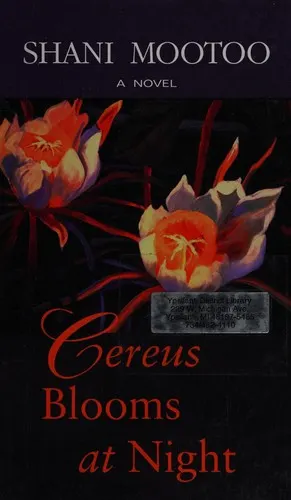
Books like Cereus Blooms at Night
Readers drawn to Cereus Blooms at Night tend to value sensuous, formally inventive novels that face cruelty without surrendering tenderness—and that understand identity as something larger than society’s permitted categories.
If you liked Cereus Blooms at Night, you’ll love these
Not lookalikes — kindred books. Each one shares something essential with Cereus Blooms at Night, and we tell you exactly what.
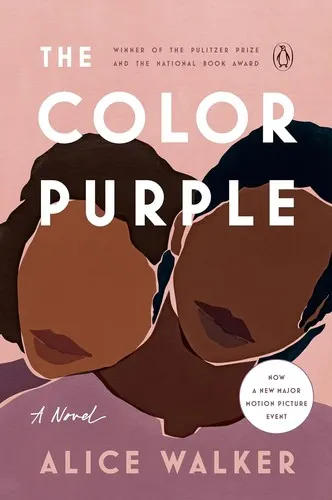
Like Mootoo, Walker begins with patriarchal violence but refuses to let violence define the limits of her heroine’s life. Celie’s letters create an intimate, flexible language in which terror, comedy, desire, anger, and spiritual awakening can coexist. Her voice does not merely report survival; it becomes the means by which she claims herself.
The novel’s deepest kinship with Cereus Blooms at Night lies in its faith in unconventional love and chosen kinship. Care becomes transformative rather than sentimental, while sexual and emotional freedom are inseparable from finding words for one’s experience. Winner of both the Pulitzer Prize and the National Book Award, The Color Purple has retained generations of devoted readers because its hard-won joy feels genuinely liberating.
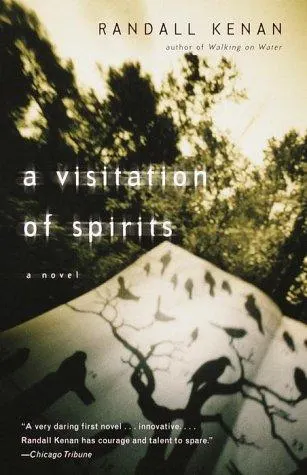
Randall Kenan’s landmark of Black queer Southern fiction opens with Horace Cross entering the woods and attempting a terrifying act of transformation. Around him, Kenan builds a nonlinear, many-voiced portrait of a churchgoing community whose love, fear, history, and moral blindness are tightly entangled.
A reader who admired Mootoo’s refusal to treat gender and sexuality as isolated private matters will recognize Kenan’s larger vision: a whole society participates in deciding which selves are livable. Yet the novel never reduces its people to villains or symbols. Its shifts in time and perspective continually alter whom we blame and whom we mourn. Fierce, strange, and painfully compassionate, it is the kind of novel that leaves its community feeling as real—and as culpable—as one’s own.
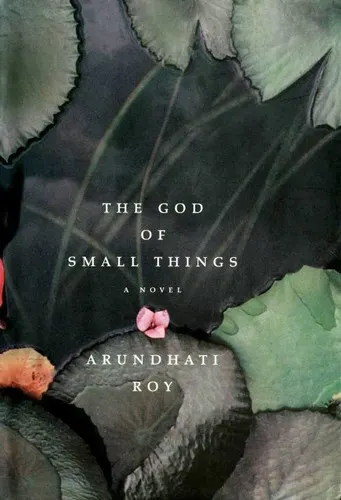
Roy’s Booker Prize–winning debut shares Mootoo’s gift for making language itself carry memory. Repeated phrases, private jokes, sensory fragments, and ominous images circle a family catastrophe rather than explaining it neatly. The result is not a puzzle for its own sake: the fractured chronology recreates how childhood apprehends danger long before it can name it.
Both novels expose the intimate reach of inherited hierarchies—into families, bodies, affection, and ideas of respectability—while remaining extravagantly alive to insects, plants, weather, smell, and sound. Roy’s prose can be playful in one sentence and devastating in the next, especially when she shows how forbidden tenderness collides with socially enforced cruelty. Few celebrated novels so completely justify their reputation at the level of the sentence.