Books like Carmilla
Carmilla’s great trick is that terror never cancels tenderness: Laura’s danger arrives as an intimacy so intense that desire, victimhood, and haunting cannot be cleanly separated.
If you liked Carmilla, you’ll love these
Not lookalikes — kindred books. Each one shares something essential with Carmilla, and we tell you exactly what.
Jackson replaces the vampire with a house, but preserves Carmilla’s most unnerving dynamic: a lonely woman being seduced by something that may also be consuming her. Eleanor arrives at Hill House hungry for attachment and freedom; every uncanny incident therefore feels both like an assault and a private invitation.
Jackson’s landmark novel is celebrated for good reason. Its exact, sly prose makes architecture feel sentient, while Eleanor’s bond with the dazzling Theodora adds the same charge of attraction, jealousy, and instability that runs between Laura and Carmilla. Few novels make surrender to evil feel so perilously close to coming home.
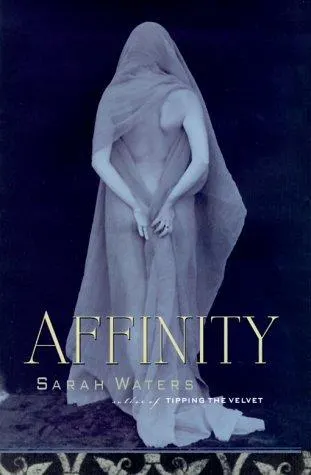
A grieving gentlewoman begins visiting the women’s ward of Millbank Prison, where she becomes fascinated by Selina Dawes, a disgraced spiritualist. Their meetings unfold amid locked cells, forbidden touch, and the possibility that longing itself can breach walls.
Waters uses diaries, withheld knowledge, and Victorian social constraints to make every confidence suspect without draining it of feeling. Like Le Fanu, she understands that repression intensifies the supernatural: a glance or hidden letter can carry more voltage than an apparition. This Somerset Maugham Award-winning novel is among Waters’s most exquisitely controlled works—a claustrophobic romance whose atmosphere closes around the reader like the prison itself.
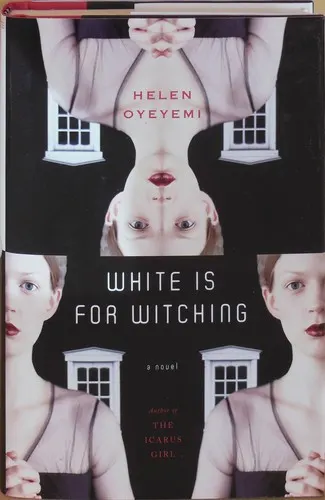
In a house on the Dover cliffs, Miranda Silver suffers from pica—an appetite for what should not be eaten—while the house nurses appetites of its own. Oyeyemi lets Miranda, her twin, her friend Ore, and even the building speak, creating a chorus in which possession can mean inheritance, love, hunger, or erasure.
What links it to Carmilla is not simply blood or female desire, but its dream logic: intimacy opens doors that reason cannot close. The prose is sensuous, fractured, and coldly playful, and the novel’s queerness is entangled with questions of family and belonging rather than added as decoration. A Shirley Jackson Award finalist, it is the rare modern Gothic strange enough to leave its own mythology behind in the mind.