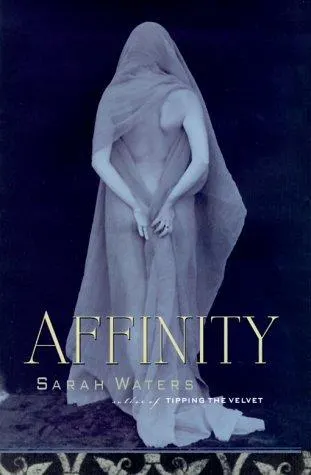
Books like Affinity
Fingersmith turns narrative deception into a dazzling mechanism; The Observations makes it a sly, intimate voice you cannot stop trusting. Between them, and the darker testimony of The Confessions of Frannie Langton, these novels recapture Affinity’s most compelling pleasures: dangerous reading, imprisoned desire, and stories shaped by unequal power.
If you liked Affinity, you’ll love these
Not lookalikes — kindred books. Each one shares something essential with Affinity, and we tell you exactly what.
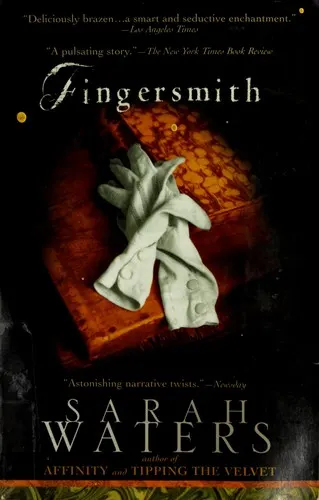
If Affinity made you admire Waters’s ability to turn intimacy into suspense, Fingersmith is indispensable. Sue Trinder, raised among thieves, joins a scheme against a secluded heiress—but the real seduction lies in Waters’s control of perspective. Every confidence, gesture, and apparently settled fact carries a charge.
It is more expansive and mischievous than Affinity, yet shares its fascination with women confined by institutions, class, and the stories men tell about them. A Booker finalist and now a modern classic, Fingersmith offers the rare satisfaction of a brilliantly engineered plot whose emotional stakes are even stronger than its ingenuity.
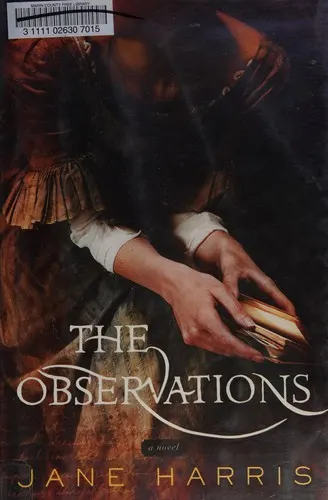
Bessy Buckley arrives at a remote Scottish house to work as a maid and soon discovers that her new mistress expects peculiar duties—among them keeping a journal—and remains disturbingly preoccupied with a previous servant. That notebook becomes a site of surveillance, self-invention, and dread.
Where Affinity is hushed and sepulchral, The Observations is earthy, funny, and gloriously voiced. Bessy’s slangy, defensive narration makes her immediately alive, even as omissions and contradictions gather around her. Shortlisted for the Orange Prize, Harris’s debut deserves its devoted readership: it has the pull of a Gothic mystery but the unruly personality of a great comic monologue.
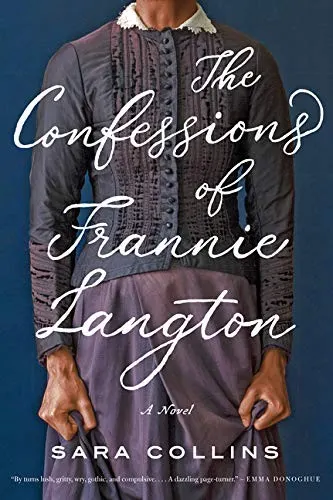
Awaiting trial in Georgian London for the murder of her employers, Frannie Langton is asked to write her life. Her testimony moves through slavery, scientific exploitation, domestic service, and a consuming relationship with her mistress—always under the pressure of who is permitted to speak, and whose version will be believed.
Readers who loved Margaret Prior’s journals will recognize the dangerous intimacy of a woman writing from confinement, but Frannie’s voice is fiercer and more confrontational. Collins refuses to make either desire or victimhood simple; love can be sanctuary, dependency, rebellion, and evidence all at once. Winner of the Costa First Novel Award, this is a Gothic confession with the authority of a woman determined to become more than the case made against her.