Books like Captain Alatriste
The Winter King tears the romance from an ancient warrior legend; Warlock does the same to the American gunfighter myth. Between their battered codes of honor and the exuberant historical world of The Long Ships, these novels capture Alatriste’s rare mixture of adventure, irony, loyalty, and disenchantment.
If you liked Captain Alatriste, you’ll love these
Not lookalikes — kindred books. Each one shares something essential with Captain Alatriste, and we tell you exactly what.
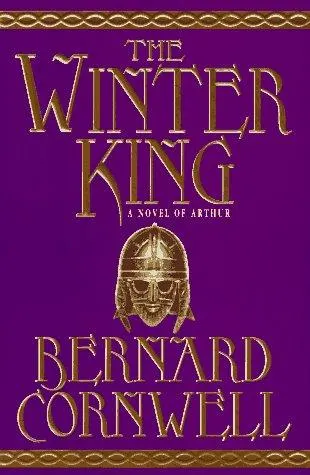
An elderly monk recalls his youth serving Arthur—not the gleaming king of romance, but a formidable warlord trying to hold a fractured Britain together. Like Íñigo’s account of Alatriste, Derfel’s narration turns remembered heroism into something intimate, compromised, and mournful.
Cornwell is superb at showing how loyalty survives bad rulers, religious hatred, and political expediency. His battles are lucid and frightening, but the real attraction is Arthur’s impossible attempt to behave honorably in a world that treats honor as a weakness. Often considered Cornwell’s finest novel, this is historical adventure with the weight of tragedy: once Derfel begins telling the truth behind the legend, it is difficult not to follow him through the entire Warlord Chronicles.

The mining town of Warlock hires the celebrated gunman Clay Blaisedell to impose order, then discovers that a man with a reputation is not the same thing as justice. Blaisedell has Alatriste’s fatal combination of competence, reserve, and allegiance to a personal code that the surrounding society invokes more often than it honors.
Hall examines how witnesses, admirers, opportunists, and frightened citizens manufacture a hero. The result is both a gripping Western and a ruthless study of public legend, with violence that arrives suddenly and carries moral consequences. Thomas Pynchon famously called Warlock one of the best American novels; its admirers cherish precisely what makes Alatriste memorable—the grandeur and sadness of watching an honorable professional become indispensable to people unworthy of him.

Red Orm begins as an unwilling Viking and survives through nerve, adaptability, and an excellent instinct for when bravery has become foolishness. Bengtsson tells his adventures with wonderfully dry composure: raids, feasts, conversions, royal quarrels, and dangerous voyages are delivered as if outrageous events were simply the ordinary inconveniences of being alive.
A Swedish classic with an enduring international following, The Long Ships shares Pérez-Reverte’s gift for inhabiting an older moral world without prettifying it or sneering at it. Its warriors can be cruel, devout, greedy, loyal, and very funny in the same scene. The tone is warmer than Alatriste’s Madrid, but the pleasure is akin: history feels not reconstructed but lived in, and every narrow escape becomes another story worth retelling.