Books like Warlock
Warlock turns a town’s demand for order into a trap: every marshal, gunman, merchant, and laborer helps create an authority that no one can fully control.
If you liked Warlock, you’ll love these
Not lookalikes — kindred books. Each one shares something essential with Warlock, and we tell you exactly what.
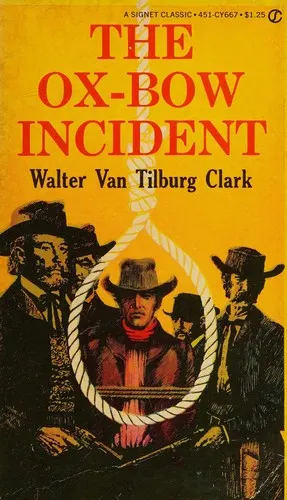
Clark’s classic begins with rumor, fear, and a hastily formed posse, then scrutinizes how ordinary men surrender judgment to a crowd. Like Warlock, it refuses the comforting distinction between lawful citizens and violent outlaws: respectability, cowardice, vanity, and sincere civic duty become dangerously entangled.
Its lean, accumulating pressure complements Hall’s broader social canvas. Few novels expose the emotional seductions of “justice” so mercilessly. A reader haunted by Warlock’s question—who grants violence legitimacy?—should consider this indispensable.
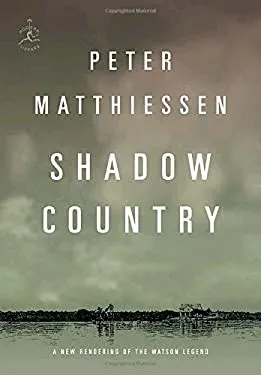
This National Book Award winner builds a frontier legend only to dismantle it voice by voice. Around Edgar Watson—a planter, entrepreneur, suspected killer, and object of communal obsession—Matthiessen gathers contradictory memories until reputation itself becomes a kind of violence.
Warlock’s admirers will recognize the fascination with communities that require dangerous men and then rewrite their dependence as moral necessity. Yet Shadow Country is stranger, more tropical, and more intimate: a vast chorus about capitalism, family, race, and self-invention. Its scale and moral depth make it one of the few later American novels that can stand beside Hall’s achievement without seeming smaller.
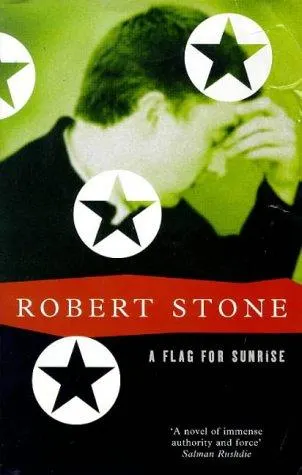
Stone transfers the crisis of legitimacy from a Western town to a fictional Central American republic nearing revolution. An anthropologist, a nun, a drifting sailor, soldiers, priests, and political operators move through a landscape where every institution speaks of principle while preparing for coercion.
The kinship with Warlock lies in Stone’s refusal to simplify allegiance. His characters are compromised without becoming mere cynics, and political abstractions acquire physical weight—heat, fatigue, weapons, frightened conversation. Widely regarded as one of Stone’s major novels, A Flag for Sunrise offers the same rare exhilaration as Hall: the sense that an entire society’s moral argument has become dramatically alive.