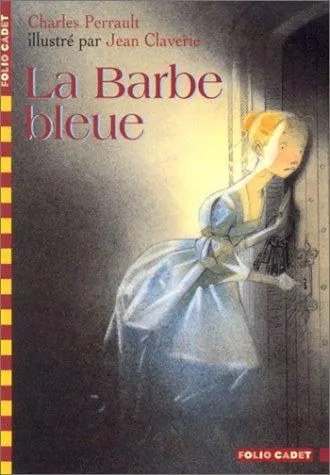
Books like Bluebeard
Three locked doors gleam at the end of a beautiful corridor; behind each waits a different answer to the question Perrault made irresistible: what does it cost a woman to know the truth?
If you liked Bluebeard, you’ll love these
Not lookalikes — kindred books. Each one shares something essential with Bluebeard, and we tell you exactly what.
Du Maurier turns marriage into a magnificent house full of prohibitions, comparisons, and half-heard warnings. Her unnamed young narrator arrives at Manderley as the second Mrs de Winter, only to find that her glamorous predecessor, Rebecca, still seems to possess every room—and perhaps her husband as well.
Like Bluebeard, Rebecca understands that luxury can be a form of intimidation and that secrecy makes desire inseparable from fear. Its menace is psychological rather than gruesome, built from a monogram, a closed room, and the terrifying suspicion that everyone else knows the rules. Beloved for generations and immortalized by Hitchcock, it remains one of the great novels of marital dread.
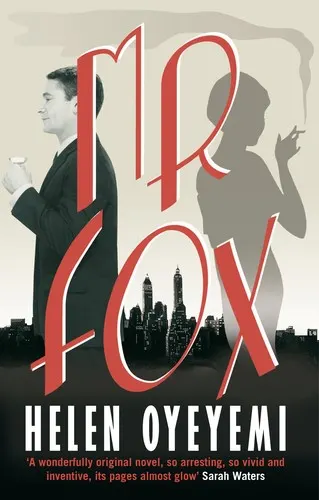
A celebrated novelist named St John Fox has a habit of brutally killing the women in his fiction. Then Mary Foxe—his muse, invention, adversary, or something stranger—steps out of his imagination and challenges him to examine what his stories are doing.
Oyeyemi takes the murderous husband embedded in Bluebeard and places him on trial inside the act of storytelling itself. The novel keeps changing shape: lovers become rivals, tales answer other tales, and violence is exposed as both an artistic habit and an assertion of power. Audacious, seductive, and darkly funny, Mr Fox does not merely retell Bluebeard; it opens the old tale’s locked chamber and rearranges everything inside.
A writer hires Emerence, an imperious and fiercely private housekeeper who serves others tirelessly while allowing no one past the door of her own home. Their bond grows intimate, combative, and morally dangerous, until the writer’s wish to understand Emerence becomes impossible to separate from intrusion.
There is no fairy-tale castle here, yet Szabó recreates Bluebeard’s deepest tension: the locked door that turns curiosity into an ethical crisis. Who has the right to keep a secret? When does love become violation? Widely regarded as Szabó’s masterpiece, The Door has the stark inevitability of myth and the emotional complexity of a confession. Its final force comes from making both secrecy and revelation feel like forms of betrayal.