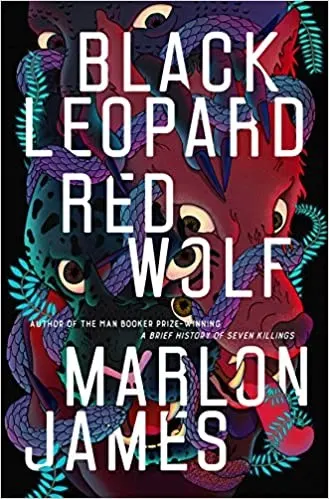
Books like Black Leopard, Red Wolf
Black Leopard, Red Wolf stands beside Amos Tutuola’s The Palm-Wine Drinkard as a reminder that fantasy can feel ancient, unruly, dangerous, and startlingly new all at once.
If you liked Black Leopard, Red Wolf, you’ll love these
Not lookalikes — kindred books. Each one shares something essential with Black Leopard, Red Wolf, and we tell you exactly what.
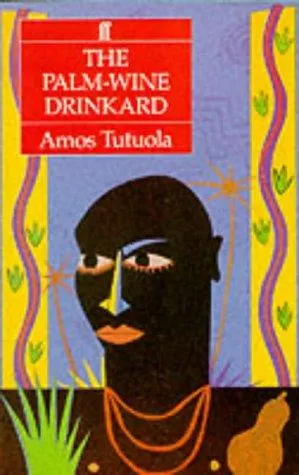
A man ventures into the bush of ghosts to retrieve his dead palm-wine tapster, and the journey becomes an astonishing procession of transformations, monsters, bargains, deaths, and impossible places. Like Marlon James, Tutuola draws on African oral traditions without tidying their strangeness into conventional Western fantasy. His English has a spellbinding logic of its own: repetitive, abrupt, funny, and nightmarish.
Published in 1952, the novel became an internationally celebrated landmark of African literature and influenced generations of writers, even as its deliberately unconventional language provoked debate. It is shorter and more elemental than James’s novel, but it offers the same exhilarating sense that storytelling is older, wilder, and less morally domesticated than the modern novel usually allows.
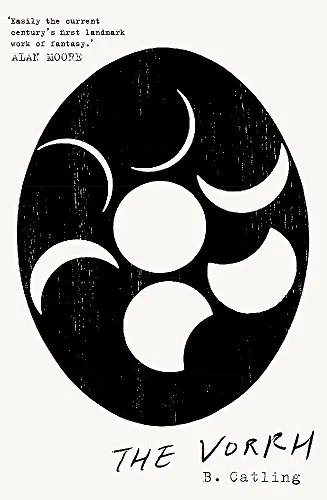
At the edge of an invented colonial city lies the Vorrh, a forest believed to contain Eden—and to unmake the identity of anyone who enters it. Catling does not explain this world so much as plunge you into its fever: hunters, bowmen, uncanny creatures, grotesque institutions, and historical figures coexist in a story governed by dream logic and bodily menace.
What connects it to Black Leopard, Red Wolf is not merely monstrous wilderness but the texture of the reading experience. Both novels demand surrender to baroque language, unstable reality, and narrators whose visions cannot be cleanly trusted. The Vorrh earned a devoted cult readership and extravagant praise from writers including Alan Moore; its admirers recognize it as the rare fantasy novel that feels genuinely discovered rather than manufactured.
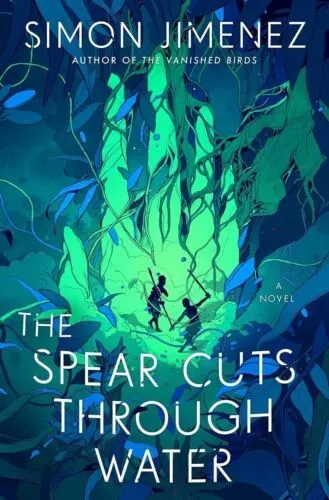
Two warriors must escort an ancient, imperiled goddess across a country ruled by brutal royal sons. That premise opens into something formally dazzling: the journey is also a theatrical performance, a remembered family story, and a myth being created before your eyes. Voices interrupt one another; time folds; intimate gestures suddenly occupy the center of an epic scene.
Jimenez shares James’s fascination with who controls a legend and what violence costs the people turned into its heroes. Yet his emotional register is distinct: amid the cruelty, he makes room for tenderness, queer desire, and the fragile work of trusting another person. Readers often champion the novel for doing what ambitious fantasy promises but rarely achieves—making its form inseparable from its magic. Miss it, and you miss one of the boldest demonstrations that an epic can be both structurally audacious and painfully human.