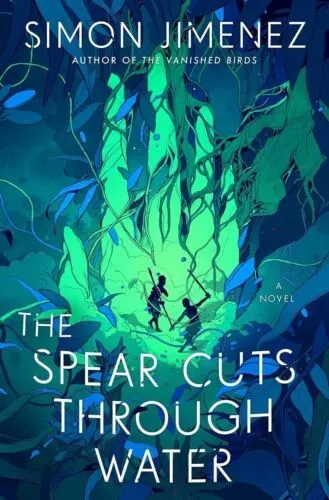
Books like The Spear Cuts Through Water
The Winged Histories splinters an empire into intimate, competing testimonies; Black Leopard, Red Wolf makes a single storyteller’s voice feel like an entire unruly theater. The Saint of Bright Doors completes the trio by turning mythic power into something chillingly bureaucratic.
If you liked The Spear Cuts Through Water, you’ll love these
Not lookalikes — kindred books. Each one shares something essential with The Spear Cuts Through Water, and we tell you exactly what.
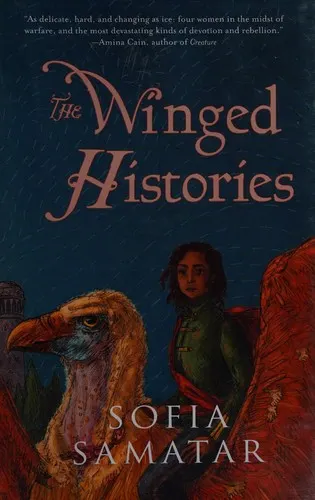
Samatar shares Jimenez’s conviction that history is not one story but a struggle among voices. Four women—soldier, scholar, poet, and noblewoman—recount a rebellion from incompatible emotional and political positions. Songs, letters, legends, and memories interrupt any clean heroic narrative, while love and family remain inseparable from conquest.
The prose is sensuous, compressed, and astonishingly attentive to what empires erase. Like The Spear Cuts Through Water, it gives formal experimentation a beating heart: its fragments gradually reveal people trying to rescue one another from the stories imposed on them. Samatar is a World Fantasy Award–winning writer, and this fiercely admired novel is among the clearest demonstrations that epic fantasy can be both intellectually radical and painfully intimate.

A mercenary called Tracker tells an interrogator how he joined a search for a missing boy—but his account is combative, digressive, obscene, funny, and possibly false. The pleasure lies not merely in the quest but in watching a storyteller seize control of it, revise it, and dare you to believe him. That volatile relationship between teller, audience, and legend should feel electrifyingly familiar to a Jimenez reader.
James builds a ferocious mythic world from African histories and folklore without smoothing away its strangeness. The violence is brutal, the desire unapologetically queer, and tenderness arrives with startling force because nothing in Tracker’s voice admits easily to vulnerability. This National Book Award finalist, from the Booker Prize–winning James, is demanding by design; surrender to its rhythms and it becomes less like reading a fantasy than being trapped inside a magnificent, dangerous oral epic.
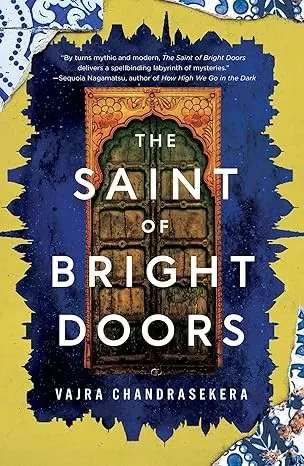
Fetter was raised by his mother to assassinate his sainted father. Having escaped that destiny, he lives in a city crowded with gods, revolutionaries, support groups, supernatural disturbances, and doors that cannot be opened. Chandrasekera treats divine legend not as decorative lore but as infrastructure: myth determines who receives authority, whose suffering becomes sacred, and whose version of reality survives.
Where Jimenez uses spectacle and nested narration to dismantle the official heroic tale, Chandrasekera uses sly comedy, abrupt shifts, and surreal civic machinery. Beneath the invention is the same urgent concern with inherited violence and the possibility of refusing the role prepared for you. Its Nebula Award was fitting recognition for a debut that seems to discover new things the fantasy novel can do while you are reading it.