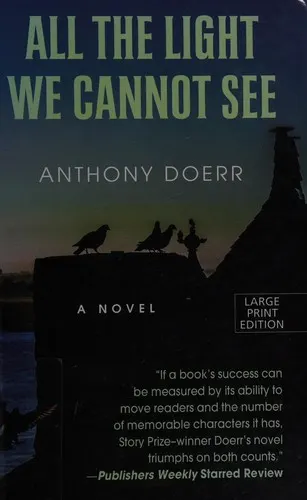
Books like All the Light We Cannot See
—because its deepest power lies not simply in wartime suspense, but in the way beauty, knowledge, and human attention resist destruction. These three novels achieve that same moral and sensory intensity by very different means.
If you liked All the Light We Cannot See, you’ll love these
Not lookalikes — kindred books. Each one shares something essential with All the Light We Cannot See, and we tell you exactly what.
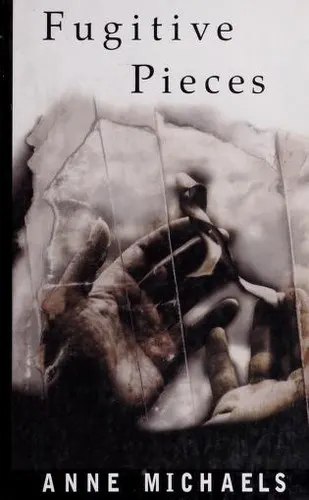
A half-buried boy escapes a Nazi raid and is rescued by a Greek geologist—an opening that establishes the novel’s entwining of catastrophe, landscape, and unlikely grace. Like Doerr, Michaels writes as though the physical world—stone, water, weather, fossils—holds memories that human beings cannot safely carry alone.
Winner of the Orange Prize, Fugitive Pieces is cherished above all for its language: compressed, luminous, and exact. It asks how a survivor can build a life without betraying the dead, and finds hope not in easy consolation but in study, love, and painstaking attention. If Werner’s hunger for knowledge and Marie-Laure’s intensely apprehended world moved you, Michaels’s haunted, beautiful novel is essential.
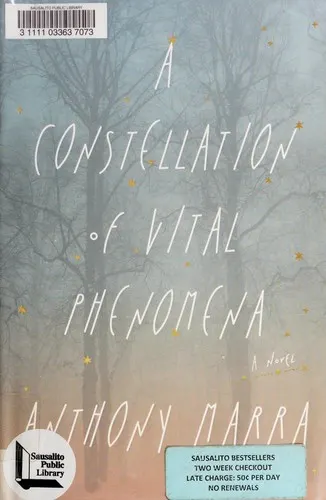
In a ruined Chechen village, a failed doctor shelters a hunted child in an almost abandoned hospital. From that urgent beginning, Anthony Marra creates a web of lives whose connections accumulate with the satisfying intricacy of Doerr’s parallel narratives.
The kinship is emotional rather than historical: both novels refuse to let war reduce people to victims, villains, or symbols. Marra is funny where one least expects it, devastating without becoming manipulative, and wonderfully alert to small acts of competence and mercy. The novel won the National Book Critics Circle’s John Leonard Prize, and its reputation has endured because readers become fiercely attached to its flawed, brave characters. Few books make human decency feel so fragile—or so formidable.
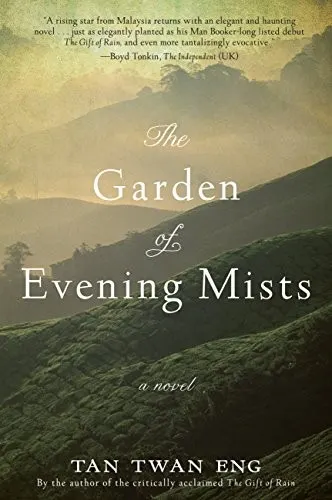
A retired judge, losing her memory, returns to the Malaysian highlands and to the garden created by an enigmatic Japanese designer. Her recollections lead back toward wartime imprisonment and an apprenticeship shaped by beauty, discipline, anger, and secrecy.
Tan’s Booker-shortlisted novel shares Doerr’s gift for making perception consequential. Every stone, tree, tattoo, and borrowed vista matters; artistic craft becomes a way of preserving what violence and time would erase. Yet the book is never merely decorative. Its serenity is edged with moral unease, especially over what forgiveness can mean when history remains unresolved. The result is a novel of extraordinary poise: sensuous enough to inhabit, mysterious enough to haunt you, and too emotionally complex to fade once finished.