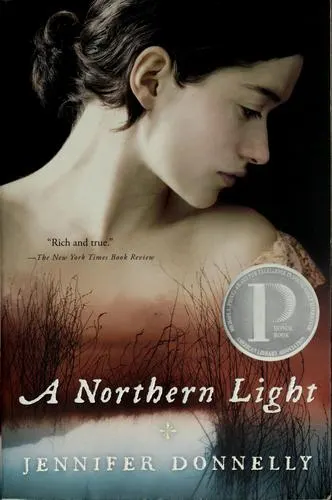
Books like A Northern Light
A boat approaches the hotel carrying a drowned girl, while Mattie senses that the words left behind may be more dangerous than the lake. These novels share A Northern Light’s faith in fiercely intelligent young women, morally charged storytelling, and language as a means of resistance.
If you liked A Northern Light, you’ll love these
Not lookalikes — kindred books. Each one shares something essential with A Northern Light, and we tell you exactly what.
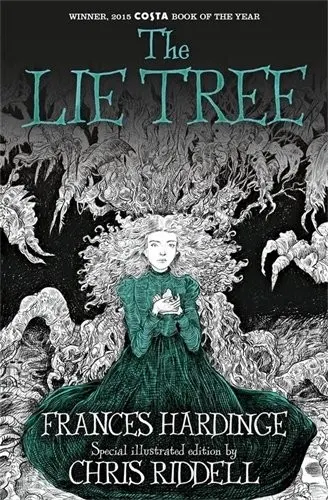
Faith Sunderly has a scientific mind in a world determined to treat female intelligence as an embarrassment. When her disgraced naturalist father moves the family to a remote island, she begins investigating his secrets—and discovers something that makes lies frighteningly potent.
Like Mattie, Faith is hungry for knowledge, angry at the smallness prescribed for her, and forced to decide what she is willing to sacrifice for the truth. Hardinge’s prose is dark, exact, and alive with ideas; the mystery matters because it tests Faith’s character rather than merely teasing out a solution. Winner of the Costa Book of the Year—only the second children’s novel ever to take the overall prize—The Lie Tree is the rare gothic page-turner that also feels intellectually exhilarating.
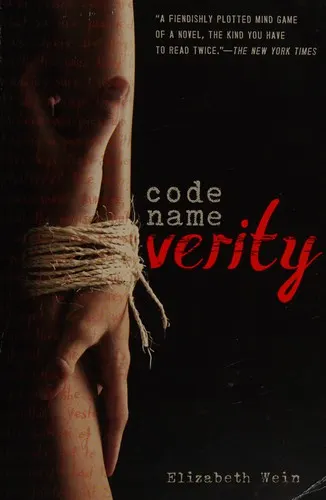
A young British agent captured in occupied France is ordered to write a confession. What she produces is witty, digressive, frightening, and inseparable from the story of her friendship with a gifted female pilot.
Readers who loved the letters, withheld truths, and shifting meanings in A Northern Light will find Wein’s narrative construction irresistible. Here, writing is simultaneously memory, evidence, performance, and survival. Its emotional force comes not from romance but from two young women taking one another’s abilities utterly seriously. A Michael L. Printz Honor book with an exceptionally devoted readership, Code Name Verity rewards close attention—and then makes that attention hurt.
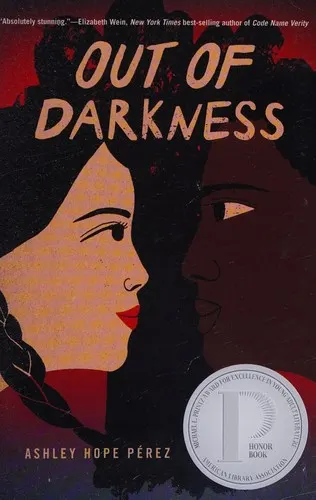
In 1937 East Texas, Mexican American teenager Naomi Vargas is trying to protect her younger siblings and build a private future with Wash Fuller, a Black boy whose tenderness and intelligence offer refuge from the brutality around them. From its opening, the novel places their hopes beneath the shadow of the real New London school explosion.
Pérez shares Donnelly’s refusal to sentimentalize the past. Poverty, racism, sexual danger, and family obligation are not historical decoration; they shape what the characters can imagine and what choices they are permitted to make. Yet the prose gives Naomi and Wash luminous interior lives, full of desire, humor, and hard-won beauty. This Printz Honor novel is devastating because it insists that lives neglected by official history deserve to be rendered with grandeur. Missing it means missing one of historical YA’s most fearless achievements.