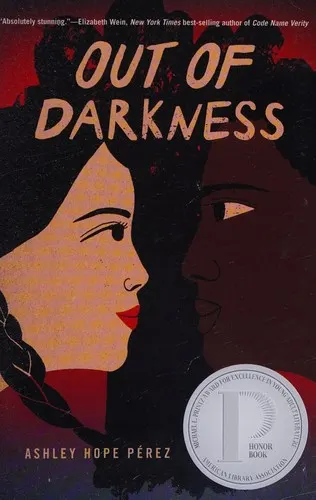
Books like Out of Darkness
Arundhati Roy’s The God of Small Things may seem far removed from Ashley Hope Pérez’s Texas, yet it shares Out of Darkness’s deepest conviction: private tenderness can expose the entire brutal machinery of a society. The other two selections likewise combine intimate young lives, communal prejudice, and an accumulating sense of historical catastrophe.
If you liked Out of Darkness, you’ll love these
Not lookalikes — kindred books. Each one shares something essential with Out of Darkness, and we tell you exactly what.
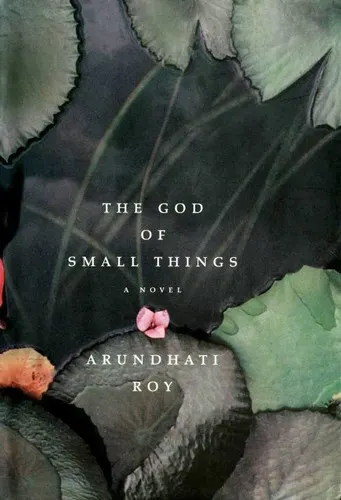
Like Pérez, Roy tells you early that tragedy is coming, then makes foreknowledge intensify every fragile pleasure. In a Kerala family haunted by a child’s death, twins Estha and Rahel encounter a world governed by rules about “who should be loved. And how. And how much.” Those rules—of caste, class, gender, and respectability—have the same lethal force as the racial order surrounding Naomi and Wash.
Roy’s language is sensuous, playful, and wounded, particularly when filtered through children who rearrange words to comprehend adult cruelty. The novel’s intricate chronology and recurring images make it feel less like a conventional narrative than a memory one cannot escape. This debut won the Booker Prize, but its enduring power is more intimate: few novels show so beautifully how forbidden love and social violence become inseparable.
Pérez’s shifting viewpoints turn disaster into a communal tragedy; Traci Chee goes further, building her novel from the voices of fourteen Japanese American teenagers imprisoned by the United States during World War II. Each narrator has a distinct pulse—funny, furious, romantic, guarded—and together they create the sense of a whole generation being forced into categories it did not choose.
What makes this National Book Award finalist essential is its abundance of life. The teenagers draw, dance, quarrel, flirt, and dream even as racism narrows their futures. That tension will feel piercingly familiar to readers who loved the moments Naomi and Wash create beyond the reach of hostile adults. Chee refuses to let historical injustice turn her characters into symbols; their irreducible individuality is the novel’s protest.
At the center of this fiercely lyrical novel are Samuel and Isaiah, two enslaved young men whose love gives them a private realm within a Mississippi plantation designed to deny their humanity. As in Out of Darkness, tenderness is not an escape from oppression but a challenge to it—and the surrounding community contains witnesses, protectors, opportunists, and people whom terror has taught to police others.
Jones writes in a richly biblical register and lets many voices enter the story, including voices usually erased from plantation narratives. The result is both intimate and choral: a love story carrying generations of grief, belief, desire, and resistance. A National Book Award finalist, The Prophets has the emotional fearlessness Pérez’s readers will recognize, but its language and moral scope make it an experience entirely its own.