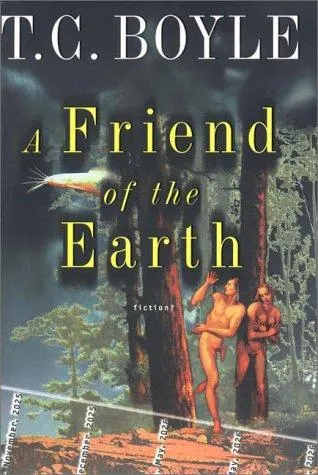
Books like A Friend of the Earth
It is like laughing through smoke: the catastrophe is enormous, the jokes are vicious, and beneath Ty Tierwater’s rancor lies the bruising realization that loving the natural world does not make anyone wise, pure, or capable of saving it.
If you liked A Friend of the Earth, you’ll love these
Not lookalikes — kindred books. Each one shares something essential with A Friend of the Earth, and we tell you exactly what.
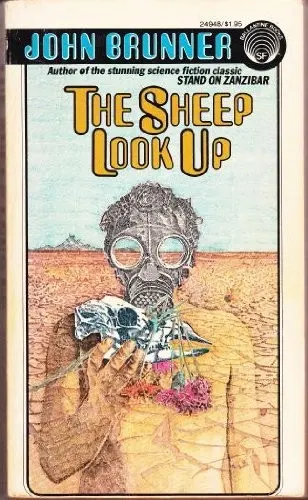
Brunner’s 1972 classic delivers the same furious pleasure of watching environmental collapse expose every institutional lie. Polluted air, poisoned food, corporate euphemisms, media noise, and political theater accumulate in a hectic collage that feels less like a forecast than an autopsy conducted while the patient is still talking.
What will grip a Boyle reader is its refusal to make ecological virtue comforting. Activists can be reckless, ordinary citizens complicit, and power almost infinitely skilled at repackaging disaster. Long regarded as a landmark of ecological science fiction, it remains startling not because every prediction came true, but because Brunner understood how catastrophe would be normalized, marketed, and joked about. Few novels sustain such righteous anger with such savage inventiveness.
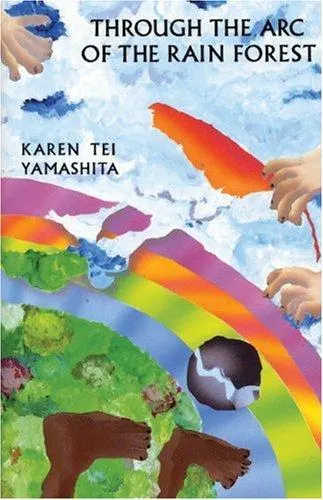
If Boyle’s manic satire—his appetite for grotesque coincidence, compromised motives, and human absurdity—is what delighted you, Yamashita is indispensable. A mysterious substance discovered in the Brazilian rainforest sets off a carnival of developers, pilgrims, broadcasters, scientists, and opportunists, while the novel’s buoyant magical realism keeps turning exploitation into spectacle.
Winner of the American Book Award, this is a cult favorite whose playfulness never softens its indictment of consumer hunger. Yamashita can make environmental ruin hilarious, fantastical, and appalling in a single scene. The book moves with the giddy momentum of a boom market, then makes that exhilaration itself morally suspect—a feat any admirer of Boyle’s comic ferocity should experience.
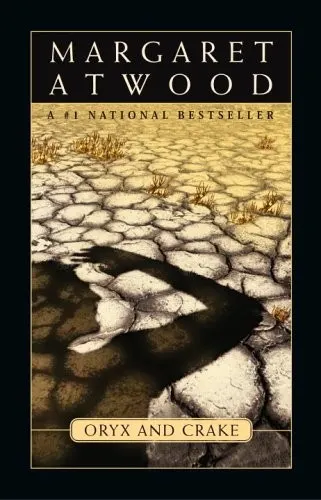
Atwood shares Boyle’s fascination with the unreliable, self-excusing man looking backward across a ruined world. Snowman may be the last ordinary human alive; as he remembers his brilliant friend Crake and the elusive Oryx, ecological breakdown becomes inseparable from jealousy, loneliness, pornography, corporate science, and the desire to improve humanity without understanding it.
Shortlisted for the Booker Prize, this opening novel of Atwood’s MaddAddam trilogy is famous for its speculative audacity, but its real force is intimate and caustically funny. Like Ty Tierwater, Snowman is neither hero nor innocent witness: he is a damaged custodian of memories he cannot stop revising. The result is both an addictive intellectual thriller and a devastating study of how private failures become entangled with planetary ones.