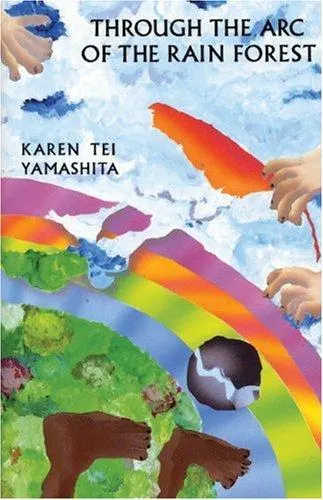
Books like Through the Arc of the Rain Forest
In Yamashita’s novel, the miraculous never escapes economics: a sentient sphere and an impossible mineral deposit expose how quickly wonder can be converted into merchandise, spectacle, and ruin.
If you liked Through the Arc of the Rain Forest, you’ll love these
Not lookalikes — kindred books. Each one shares something essential with Through the Arc of the Rain Forest, and we tell you exactly what.
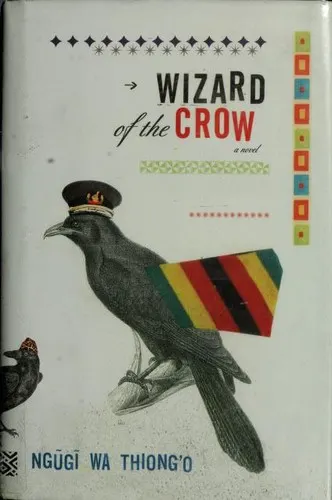
Ngũgĩ shares Yamashita’s gift for making political metaphors alarmingly physical. In the fictional dictatorship of Aburĩria, a ruler proposes a tower reaching heaven, international financiers circle, and rumors acquire more power than official decrees. The absurdities keep escalating, yet each one precisely diagnoses vanity, debt, bureaucracy, and global capital.
Written first in Gikuyu, this vast comic novel is widely regarded as one of Ngũgĩ’s major achievements. Its exuberant ensemble, folktale rhythms, and refusal to separate magic from material politics make it the closest match here to Yamashita’s generous, furious imagination.
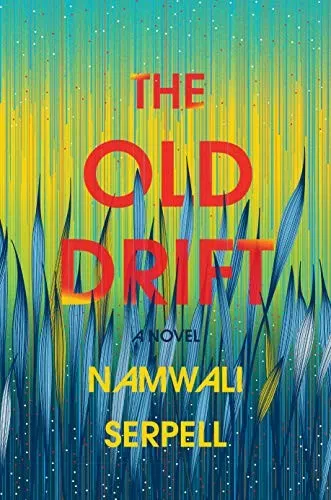
Beginning near Victoria Falls and following three entangled families across generations, Serpell builds history out of accidents, migrations, inventions, and recurring obsessions. Like Yamashita, she treats technological progress as both genuinely marvelous and inseparable from exploitation; ideas drift between people until they become industries, ideologies, or disasters.
The novel’s buzzing chorus, formal play, and effortless movement between intimate lives and planetary systems give it an exhilarating scale. Winner of the Arthur C. Clarke Award, The Old Drift is the rare ambitious saga whose experiments make it more alive rather than merely more imposing.
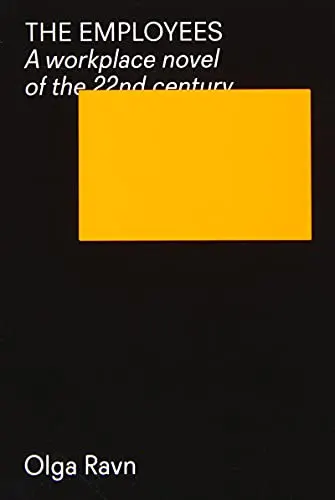
A workplace commission aboard a spaceship records statements from human and humanoid employees after strange objects are brought on board. From these brief testimonies, Ravn constructs a haunting argument about labor, embodiment, memory, and the corporate urge to classify everything—including consciousness.
Readers fascinated by Yamashita’s sentient ball will recognize the deeper affinity: objects are not passive, and ownership cannot contain their meanings. Yet Ravn replaces tropical carnival with cool, crystalline unease. Shortlisted for the International Booker Prize, this compact novel turns the personnel interview into eerie poetry and leaves an afterimage far larger than its size.