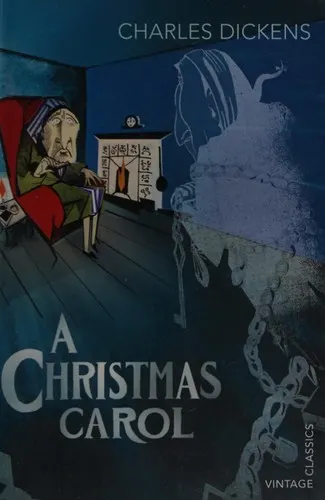
Books like A Christmas Carol
Second chances. These three short novels share Dickens’s conviction that greed, habit, and social respectability can imprison the heart—and that an encounter with suffering can still break it open.
If you liked A Christmas Carol, you’ll love these
Not lookalikes — kindred books. Each one shares something essential with A Christmas Carol, and we tell you exactly what.
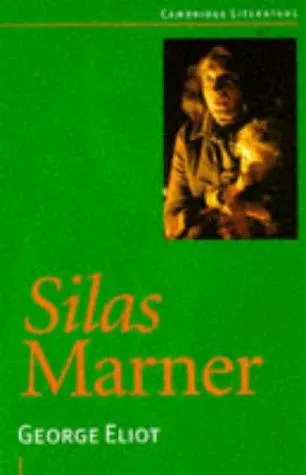
Eliot begins with an unjustly exiled weaver who has replaced human trust with work and hoarded gold. Like Scrooge, Silas is both a vivid eccentric and a wounded man whose miserliness conceals a profound loneliness.
What makes this beloved classic such a close companion to Dickens is its faith in moral renewal without naïveté. Eliot’s village is comic, suspicious, gossipy, and finally capable of fellowship; her wise, affectionate narration turns a compact fable into something emotionally immense. If A Christmas Carol leaves you wanting another seemingly frozen life restored to human warmth, Silas Marner is indispensable.
Tolstoy replaces Dickens’s ghosts with an even more relentless visitor: mortality. The opening, in which Ivan’s colleagues hear of his death and immediately calculate what it might mean for their careers, has Dickens’s gift for making social satire both funny and appalling.
The novel then examines a life built from advancement, decorum, and avoidance. Its brevity gives every detail force, while its moral reckoning reaches the same essential question as Scrooge’s visions: what if everything society calls success has taught you to live wrongly? Often regarded as Tolstoy’s most perfect short work, it is harrowing, lucid, and ultimately more compassionate than its subject might suggest.
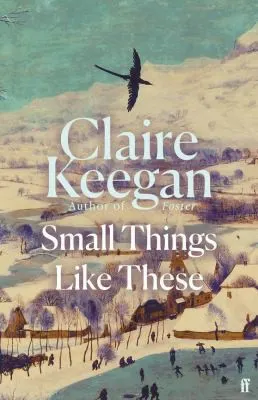
In cold 1985 New Ross, coal merchant Bill Furlong makes his deliveries while an imposing convent casts a shadow over the town. Keegan’s sentences are spare and exact: a gate, a warm kitchen, a child’s memory, or the silence surrounding an institution can carry the weight of an accusation.
This Booker-shortlisted novel shares Dickens’s belief that Christmas means nothing unless goodwill becomes action—especially when action is inconvenient or dangerous. But Keegan strips away spectacle and asks what conscience looks like in an ordinary person surrounded by respectable complicity. Winner of the Orwell Prize for Political Fiction, this tiny, quietly devastating book has the moral force of a much larger novel.