Author
Books like Yevgeny Zamyatin
3 books we recommend to Yevgeny Zamyatin readers, drawn from We — each with the reason why.
If you loved We
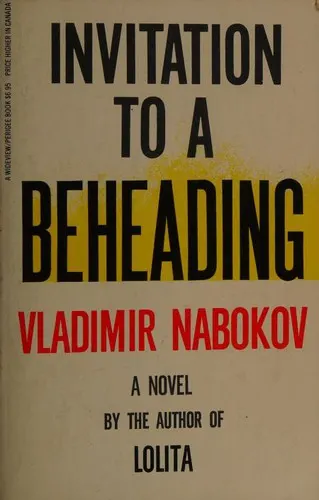
Cincinnatus C. has been condemned for the crime of being inwardly different in a society of cheerful, interchangeable people. Around him, prison, court, and execution become a grotesque theatrical performance whose rules are both absolute and nonsensical.
A reader who loves We’s collision between mechanized order and unruly imagination will recognize the stakes immediately. But Nabokov makes resistance reside in style itself: the prose shimmers, jokes, mutates, and refuses the regime’s dead language. Widely regarded as one of his Russian masterpieces, this is not simply a novel about preserving the self—it enacts that preservation on every page.
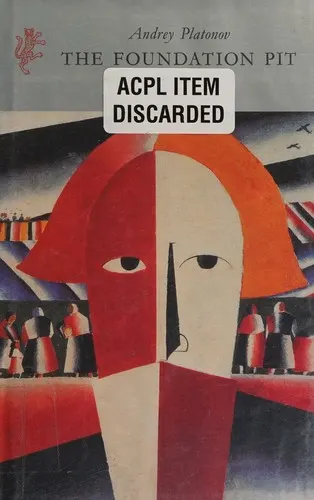
Platonov understood, as Zamyatin did, that ideology does its deepest damage when it colonizes grammar. In this short, devastating novel, workers excavate the foundation for an immense communal building while official abstractions seep into their thoughts, leaving them unable to speak plainly about hunger, grief, hope, or one another.
The result is bleakly funny and almost impossible to imitate: every sentence sounds as though living Russian has been forced through a bureaucratic machine and emerged wounded but still breathing. Suppressed in the Soviet Union and now recognized as a twentieth-century masterpiece, The Foundation Pit offers the same exhilaration as We—the discovery that linguistic distortion can expose political falsehood more powerfully than any manifesto.
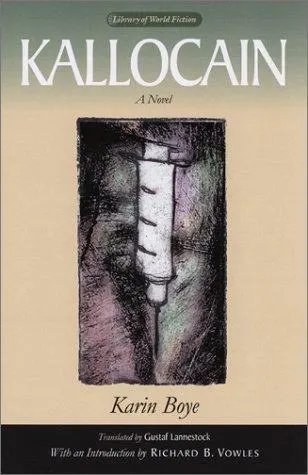
Leo Kall is a loyal chemist in the Worldstate who invents a drug capable of compelling absolute truth. His account begins with the confidence of a dutiful servant, yet the truths his invention uncovers are less useful to power than expected: private loyalties, shame, tenderness, and desires that official language cannot contain.
Boye’s great achievement is intimacy. Where We turns D-503’s diary into the record of a mind becoming dangerously alive, Kallocain follows a consciousness discovering that suspicion has impoverished everything it meant to protect. Published in 1940 and enduring as a Swedish classic, it has the unnerving clarity of a confession overheard through a wall. Its final emotional pressure is quiet, humane, and difficult to shake.