Author
Books like Winifred Watson
3 books we recommend to Winifred Watson readers, drawn from Miss Pettigrew Lives for a Day — each with the reason why.
If you loved Miss Pettigrew Lives for a Day
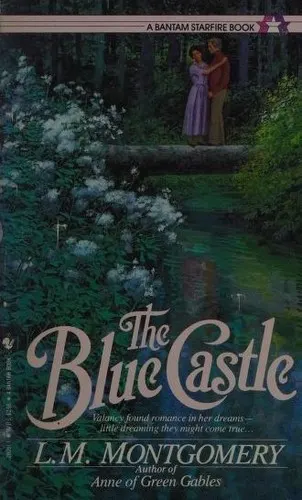
Valancy Stirling is twenty-nine, unmarried, bullied by her family, and so thoroughly trained in self-effacement that her real life exists chiefly in her imagination. Then startling news persuades her to stop asking permission.
Like Miss Pettigrew, this is a deeply satisfying story about a supposedly negligible woman discovering that she can choose pleasure, speak plainly, and become visible. Montgomery makes Valancy’s liberation both funny and emotionally momentous: every small act of defiance feels like a window thrown open. Long cherished by readers beyond the Anne of Green Gables books, it has the same rare combination of wish fulfillment and moral seriousness as Watson’s novel—the romance delights because the heroine first claims herself.
Sally Jay Gorce is a young American in Paris with pink hair, an evening dress she wears in daylight, and a talent for converting every plan into sparkling disorder. Her voice—brazen, observant, self-mocking—propels Elaine Dundy’s celebrated debut with the velocity of a screwball comedy.
What connects it to Miss Pettigrew is not Paris or glamorous nightlife, but the exhilaration of watching a woman improvise a larger self amid actors, lovers, parties, clothes, and social catastrophes. Dundy is sharper and more worldly than Watson, yet equally alert to the comedy of performance: everyone is trying on identities, and embarrassment can become opportunity if one moves quickly enough. The novel has inspired devoted admirers since 1958 because Sally Jay’s narration feels impossibly alive; missing it means missing one of comic fiction’s most irresistible voices.
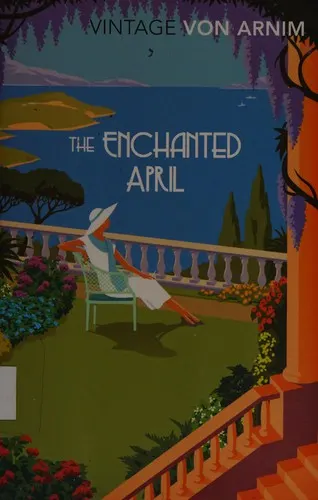
Four Englishwomen, constrained in different ways by dreary homes, disappointing marriages, money, or loneliness, answer an advertisement for an Italian castle and rent it together for a month. Their awkward alliance begins in rain and mutual suspicion—but von Arnim understands, as Watson does, that changed surroundings can reveal qualities a woman’s ordinary life has given her no room to express.
The pleasure lies in gradual thawing: grievances lose their authority, beauty alters conversation, and apparently fixed personalities prove wonderfully revisable. Von Arnim’s wit is delicate but unsentimental, particularly about marriage and the absurdities of self-importance, while her generosity toward lonely people gives the comedy its glow. Frequently adapted and continuously rediscovered since its 1922 publication, The Enchanted April is one of literature’s great restorative novels: reading it feels less like escapism than remembering that happiness may still be available.