Author
Books like William S. Burroughs
3 books we recommend to William S. Burroughs readers, drawn from Naked Lunch — each with the reason why.
If you loved Naked Lunch
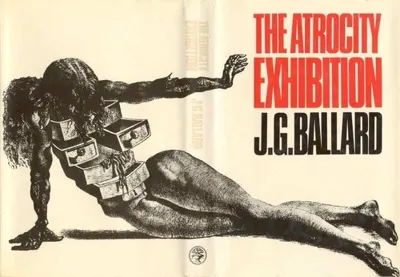
Ballard breaks narrative into terse, recurring fragments in which celebrity, catastrophe, sexuality, architecture, and medical jargon contaminate one another. Like Burroughs, he treats language as both the carrier of the disease and the instrument of diagnosis—but his icy precision contrasts thrillingly with Naked Lunch’s carnival-barker frenzy.
Its notorious publication history and lasting influence on experimental fiction, music, and visual art are deserved: few books make modern media feel so physically invasive. If Burroughs taught you to enjoy prose that rewires perception rather than merely recounting events, this is essential.
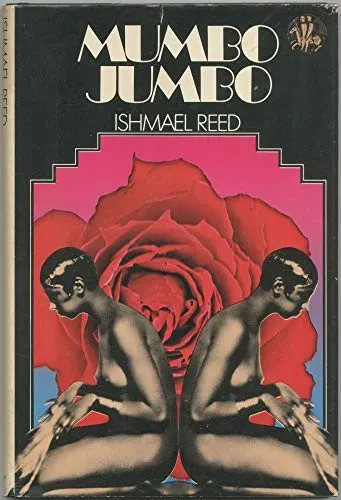
Reed’s novel runs on the liberating energy of an outbreak: a cultural virus called Jes Grew spreads through 1920s America while guardians of official order scramble to suppress it. What matters is not the shared language of contagion, however, but Reed’s Burroughs-like conviction that power operates through stories, archives, institutions, and definitions of sanity.
The book mixes conspiracy, slapstick, scholarship, typography, myth, and gleeful historical sabotage without asking permission. A landmark of Black experimental fiction, Mumbo Jumbo offers the rare pleasure of an avant-garde novel that dances while dismantling the machinery of cultural control.
Acker takes the cut-up’s assault on literary ownership and makes it painfully intimate. Drawings, dream maps, obscene comedy, stolen forms, fairy-tale distortions, and abrupt tonal collisions surround Janey Smith, whose world is structured by desire and domination before she is old enough to distinguish them.
The result is rawer and more exposed than Burroughs: where Naked Lunch often hides agony inside vaudeville routines, Acker lets the bravado split open. This cult classic became foundational to punk-inflected and feminist experimental writing. Its refusal of good taste is not decoration but a survival method—and readers drawn to Burroughs’s dangerous freedom should encounter what Acker made from it.