Author
Books like Wilkie Collins
4 books we recommend to Wilkie Collins readers, drawn from The Woman in White and The Moonstone — each with the reason why.
If you loved The Woman in White
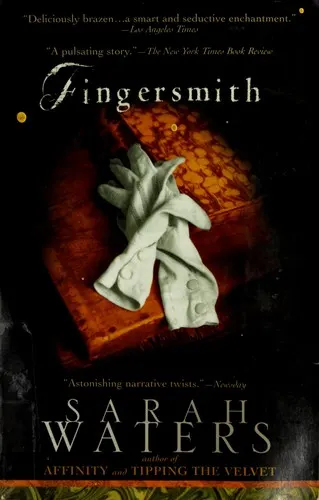
Sue Trinder, raised among thieves in Victorian London, is recruited to help a charming fraudster deceive a wealthy young woman. From that premise Waters builds a novel about confidence, confinement, desire, and the terrifying power of controlling someone else’s story.
What it shares most deeply with The Woman in White is its understanding that identity can be stolen through paperwork, testimony, and the authority granted to men. But Fingersmith is no dutiful imitation: its intimate physical detail and fierce attention to women’s inner lives make it startlingly modern. Shortlisted for both the Booker and Orange prizes, it has become beloved for twists that are not mere tricks but emotional revelations. Read it before anyone tells you more.
For the reader who loved tracing Collins’s maze of inheritances, signatures, hidden motives, and partial accounts, The Quincunx offers an entire city-sized labyrinth. Young John Huffam gradually discovers that his family’s poverty may be connected to a disputed estate, but every apparent answer opens another corridor of legal and moral uncertainty.
Palliser recreates the density of a great Victorian novel without treating it as museum furniture: soot, hunger, bureaucracy, and coincidence all become parts of an enormous puzzle. Its documents and clues invite obsessive scrutiny, while its shifting certainties make the reader feel alternately brilliant and thoroughly deceived. An unlikely international bestseller on publication, it remains a cult object among readers who want a novel not merely to absorb them but to occupy them.
If you loved The Moonstone
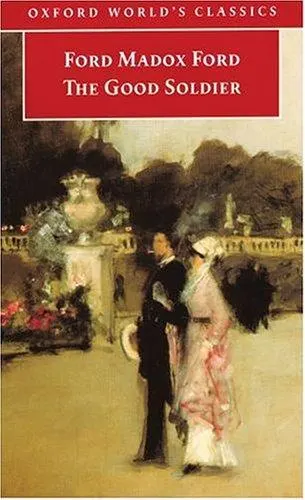
Its famously disarming narrator begins with two prosperous couples and “the saddest story” he has ever heard, then circles repeatedly through their shared past. Each return alters what you thought you understood. Like Gabriel Betteredge, he is captivating not despite his limitations but because of them: his habits of speech, evasions, and misplaced certainties become evidence.
Ford’s modernist masterpiece distills Collins’s relay of partial testimonies into one magnificently unstable consciousness. It offers the rare pleasure of realizing that a narrator has told you something crucial without comprehending it himself. Anyone who loved solving The Moonstone’s people as much as its mystery should experience this unnerving, exquisitely controlled book.
In a remote nineteenth-century Scottish community, a young crofter is accused of a brutal crime. Burnet presents his account alongside witness statements, medical reports, and other purported records, allowing incompatible versions of the same life to accumulate.
The kinship with The Moonstone lies in this documentary mosaic: dialect, prejudice, professional vanity, and class interest determine what each witness can see. Yet the documents never feel like a puzzle-box gimmick; they expose how institutions manufacture a persuasive truth from uncertain human material. Shortlisted for the Booker Prize after emerging from a tiny press, His Bloody Project became an unlikely sensation because it is both intellectually slippery and almost indecently readable.