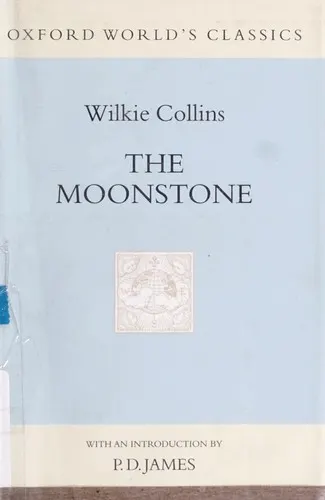
Books like The Moonstone
Ford Madox Ford’s The Good Soldier contains no jewel theft, detective, or official investigation, yet it demands exactly the alertness The Moonstone rewards: every confident account may conceal a motive, a blind spot, or a truth the speaker cannot bear to recognize. The three novels below turn reading itself into detection while preserving Collins’s pleasures of voice, suspense, and social exposure.
If you liked The Moonstone, you’ll love these
Not lookalikes — kindred books. Each one shares something essential with The Moonstone, and we tell you exactly what.
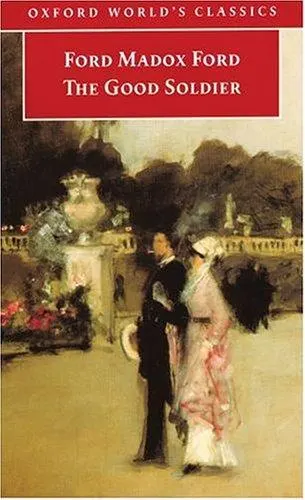
Its famously disarming narrator begins with two prosperous couples and “the saddest story” he has ever heard, then circles repeatedly through their shared past. Each return alters what you thought you understood. Like Gabriel Betteredge, he is captivating not despite his limitations but because of them: his habits of speech, evasions, and misplaced certainties become evidence.
Ford’s modernist masterpiece distills Collins’s relay of partial testimonies into one magnificently unstable consciousness. It offers the rare pleasure of realizing that a narrator has told you something crucial without comprehending it himself. Anyone who loved solving The Moonstone’s people as much as its mystery should experience this unnerving, exquisitely controlled book.
In a remote nineteenth-century Scottish community, a young crofter is accused of a brutal crime. Burnet presents his account alongside witness statements, medical reports, and other purported records, allowing incompatible versions of the same life to accumulate.
The kinship with The Moonstone lies in this documentary mosaic: dialect, prejudice, professional vanity, and class interest determine what each witness can see. Yet the documents never feel like a puzzle-box gimmick; they expose how institutions manufacture a persuasive truth from uncertain human material. Shortlisted for the Booker Prize after emerging from a tiny press, His Bloody Project became an unlikely sensation because it is both intellectually slippery and almost indecently readable.
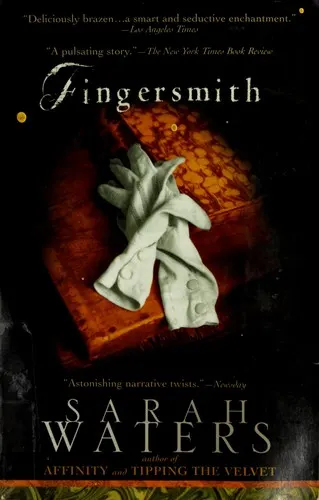
Sue Trinder, raised among thieves in Victorian London, is enlisted in an elaborate scheme involving a wealthy young woman, an isolated house, and a fortune. That is all one should know before entering it.
Waters inherits Collins’s genius for making deception pleasurable: plans nest inside performances, intimate gestures acquire double meanings, and the machinery of property and respectability proves inseparable from personal betrayal. But Fingersmith is no dutiful Victorian imitation. Its emotional intensity—especially its attention to who controls another person’s story—gives the intricacy real stakes. A Booker-shortlisted novel with legions of devoted readers, it delivers the kind of structural audacity that makes you want to turn back to page one the instant you finish.