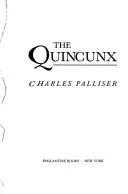
Books like The Quincunx
Fog, disputed fortunes, compromised narrators, and plots whose smallest cogs may eventually turn the whole machine: these novels preserve the delicious feeling that the truth is buried somewhere in the pages, if only you can read shrewdly enough.
If you liked The Quincunx, you’ll love these
Not lookalikes — kindred books. Each one shares something essential with The Quincunx, and we tell you exactly what.
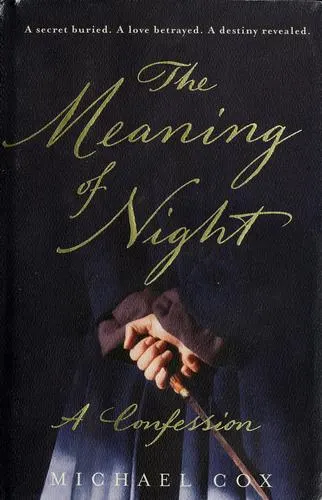
Cox begins with a startling confession and draws the reader into a Victorian world of scholarship, obsession, concealed identity, and contested inheritance. Like The Quincunx, it makes old documents, family histories, and legal claims feel charged with danger; knowledge is never merely knowledge, but leverage.
Its great distinction is the intimacy of its darkness. The narrator is erudite, wounded, persuasive—and never someone whose account can be accepted lazily. Cox spent decades refining this novel, and that density shows in its footnotes, invented bibliography, London geography, and patient accumulation of motive. It is among the few neo-Victorian novels with enough confidence and material weight to satisfy a reader who wants not a costume drama but a world to become trapped inside.
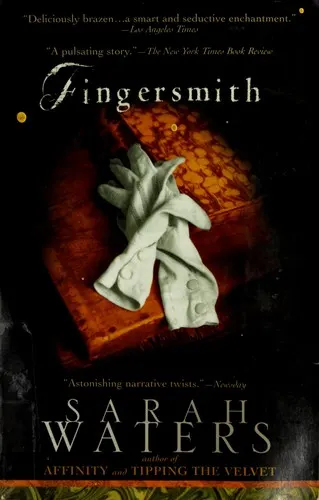
Fingersmith offers the exhilaration of a plot that repeatedly forces you to reconsider what you thought you understood. It opens among thieves in nineteenth-century London, where a young woman is recruited into a confidence scheme involving an heiress; from there, Waters turns perspective itself into an instrument of suspense.
A Booker finalist and now a modern classic, the novel revives the sensation tradition without merely imitating it. Its deceptions matter because they expose how class, money, literacy, and dependence shape what each character is capable of seeing. The prose is sensuous, the emotional stakes fierce, and the construction audaciously exact. A lover of Palliser’s elaborate misdirection may begin by admiring the mechanism and end by caring desperately about the people caught in it.
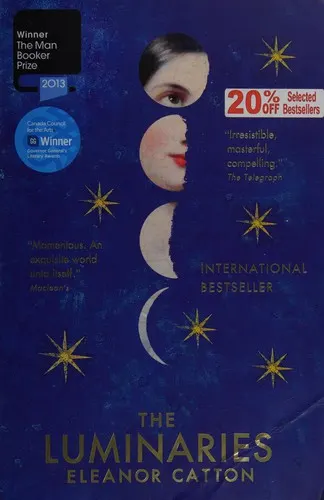
For the reader who loved The Quincunx as an immense designed object—a novel whose architecture is part of its pleasure—The Luminaries is indispensable. In an 1860s New Zealand gold town, a newly arrived traveler walks into a gathering of twelve men attempting to understand a knot of unexplained events. Each possesses only fragments; motives overlap, testimony shifts, and money passes through the story like a contaminant.
Catton’s Booker Prize–winning novel is governed by an intricate astrological structure, yet its ingenuity never reduces it to a puzzle box. The formal pattern creates a powerful sense that accidents, omissions, and private greed belong to some larger design just beyond apprehension. It rewards suspicion, memory, and rereading—the same active attention Palliser demands—while delivering the rarer pleasure of watching a vast narrative mechanism close with uncanny precision.