Author
Books like T. H. White
3 books we recommend to T. H. White readers, drawn from The Once and Future King — each with the reason why.
If you loved The Once and Future King
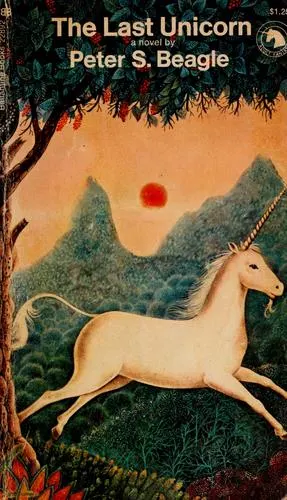
Beagle shares White’s rare ability to be whimsical without becoming weightless. A unicorn, discovering that she may be the last of her kind, leaves her forest to learn what happened to the others. From that simple opening comes a tale at once comic, lyrical, and piercingly aware that beauty cannot be preserved unchanged.
Like White, Beagle lets modern wit rub against legendary grandeur, exposing foolishness while remaining tender toward fools. His characters understand stories well enough to know when they are trapped inside one, yet that self-awareness offers no easy escape. Long cherished as a fantasy classic, The Last Unicorn is one of those books whose apparent lightness conceals an adult knowledge of love, mortality, and regret. Readers who miss White’s mingling of laughter and heartbreak should not miss it.
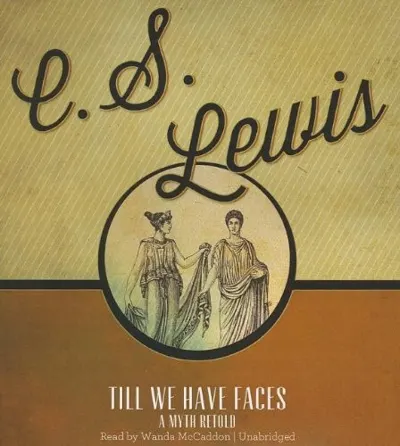
White made Arthurian legend intimate by asking what fear, desire, and self-deception do to its famous figures. Lewis performs a similarly radical transformation on the myth of Cupid and Psyche. Orual, an aging queen, writes a formal complaint against the gods, determined to expose their injustice; the force of her voice makes the ancient tale feel less like myth than testimony.
This is Lewis’s most psychologically intricate novel and, for many devoted readers, his masterpiece. Its narrator is intelligent, formidable, wounded, and not always transparent to herself. The result has White’s fascination with education and moral intention, but turns inward: can love remain love when it becomes possessive? Can we judge the world before understanding our own motives? The closing force of Orual’s reckoning makes this a novel readers return to for decades.
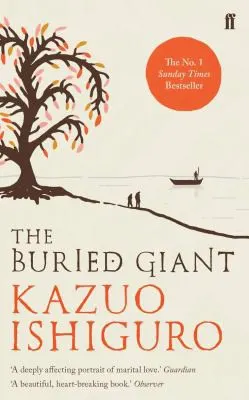
In a mist-covered Britain, an elderly couple set out to find the son they can only dimly remember. Ishiguro’s landscape belongs to legend, but his true subject is the bargain people make with memory: whether forgetting old injuries creates peace or merely postpones their return.
That question reaches directly into the deepest currents of The Once and Future King—the fragility of civilization, the persistence of violence, and the heartbreaking insufficiency of good intentions. Ishiguro’s restrained prose is very different from White’s exuberance, yet it generates the same slow conversion of fable into tragedy. Written by the Nobel Prize–winning author of The Remains of the Day, this is one of his boldest and strangest novels: a quiet journey whose moral questions expand until they encompass marriages, nations, and the stories societies tell to survive.