Author
Books like Shelley Parker-Chan
3 books we recommend to Shelley Parker-Chan readers, drawn from She Who Became the Sun — each with the reason why.
If you loved She Who Became the Sun
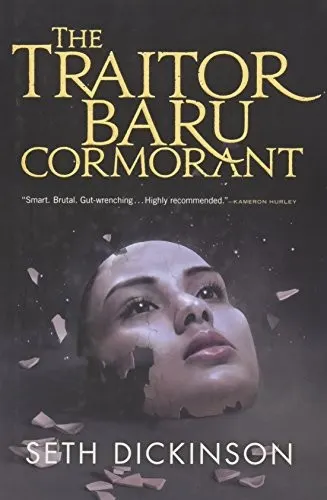
Baru may be Zhu’s closest literary kin: brilliant, ruthlessly adaptive, and determined to master the machinery that was built to crush her. After an empire conquers her homeland, she enters its civil service intending to destroy it from within. Her weapons are accountancy, political insight, and an alarming willingness to treat herself as another resource to spend.
Dickinson makes bureaucratic maneuvering feel as dangerous as battle, while Baru’s queerness becomes inseparable from questions of performance, secrecy, and imperial control. This cult favorite inspires unusually fierce devotion because it never softens its protagonist or offers painless moral victories. If Zhu’s terrible, exhilarating calculations held you captive, Baru’s will be almost impossible to resist.
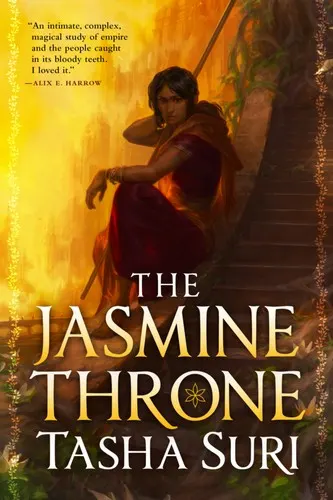
This World Fantasy Award winner begins with a princess imprisoned by her tyrannical brother and a maidservant concealing both a dangerous past and a forbidden power. Their wary attraction grows inside a struggle involving religious persecution, ecological magic, rebellion, and rival visions of justice.
Where Parker-Chan concentrates ambition into Zhu’s consuming will, Suri lets several formidable women collide—each certain that survival, liberation, or rightful rule requires a different sacrifice. The result is lush without being gentle: desire creates leverage, loyalties shift, and women denied legitimate authority begin inventing their own. Its political scale and slow-burning queer romance make it the rare epic that can satisfy both halves of what makes She Who Became the Sun so potent.
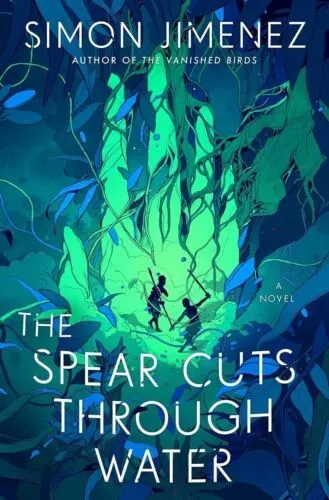
Read this for the sensation of watching history become legend. Two warriors must carry an ancient, fallen god across a land ruled by a brutal dynasty, but Jimenez refuses to tell their journey conventionally: the story moves through memory, folklore, theatrical performance, and the voices of ordinary people briefly caught in history’s path.
Like Parker-Chan, Jimenez understands that myth is not decorative—it is a weapon that determines whose suffering is remembered and whose life becomes destiny. The prose can be dreamlike, then suddenly intimate or shockingly violent; at its center is a queer love story earned through vulnerability rather than sentimentality. A finalist for the Ursula K. Le Guin Prize, it has become a word-of-mouth favorite among readers seeking fantasy that is formally daring as well as emotionally devastating. Missing it means missing one of the genre’s most audacious recent achievements.