Author
Books like Samanta Schweblin
3 books we recommend to Samanta Schweblin readers, drawn from Fever Dream — each with the reason why.
If you loved Fever Dream
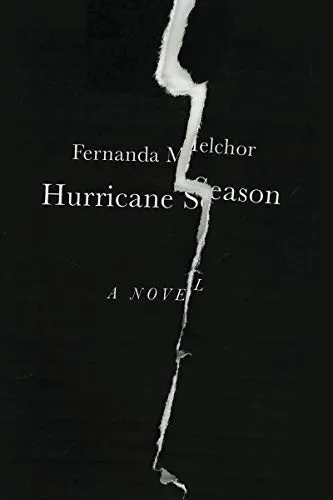
Like Fever Dream, this International Booker finalist generates terror through voices circling a catastrophe. After a body is discovered in a canal, Melchor moves among the people connected to it, writing in torrential sentences that make gossip, misogyny, poverty, and superstition feel like one contaminated atmosphere.
Its horror is collective rather than supernatural: everyone is trapped inside stories that damage them. If Schweblin’s relentless questioning made you read faster even as you dreaded the answer, Melchor’s ferocious prose will exert the same pressure—with an even wider field of moral devastation.

A woman’s decision to stop eating meat appears simple; under the gaze of her family, it becomes inexplicable, threatening, and increasingly dreamlike. Han Kang, winner of the Nobel Prize in Literature, builds this International Booker-winning novel around the frightening gap between what a person experiences and what those closest to her insist it must mean.
The kinship with Fever Dream lies in bodily autonomy turned uncanny: dreams invade waking life, care shades into coercion, and violence hides inside respectable intimacy. Its cool, lucid sentences make every transgression more disturbing. This is a slim novel with the afterlife of a nightmare.
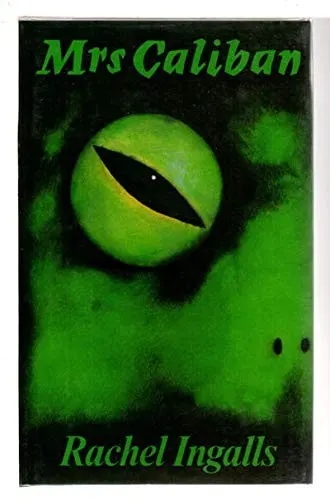
Dorothy is stalled inside a grief-stricken marriage when radio reports announce that an amphibious creature has escaped from a research institute. Ingalls treats what follows not as a gimmick but with startling tenderness and absolute composure, letting the fantastic enter suburban domestic life as naturally as loneliness does.
Readers who loved Schweblin’s refusal to separate maternal grief, bodily fear, and surreal menace will recognize the emotional logic immediately. Yet this cult classic offers an unexpected countercurrent: desire and companionship amid dread. Its brevity, strange beauty, and tonal perfection have earned it fiercely devoted readers; missing it means missing one of the quiet marvels of modern uncanny fiction.