Author
Books like Robert R. McCammon
3 books we recommend to Robert R. McCammon readers, drawn from Boy's Life — each with the reason why.
If you loved Boy's Life
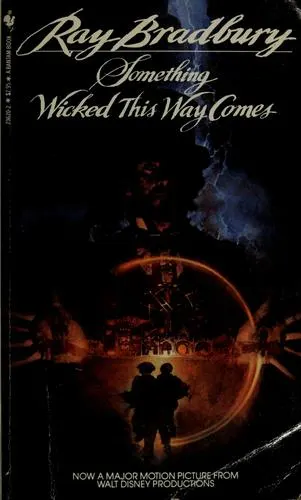
Bradbury’s classic is the clearest companion to Boy’s Life—not simply because boys confront something uncanny, but because both novels understand imagination as a moral power. When a midnight carnival arrives in Green Town, its temptations expose the private shame and longing of everyone who approaches it.
Bradbury writes autumn the way McCammon writes summer: every leaf, shadow, and gust feels charged. Most importantly, this is also a moving story about fathers and sons, and about the courage required to accept time rather than flee it. Its ecstatic prose and compassionate vision have made it a touchstone of American dark fantasy; missing it means missing one of the genre’s great declarations that joy itself can resist evil.

Eleven-year-old Reuben Land believes his father can perform miracles. That conviction is tested when an act of violence sends the Land family into crisis and onto a journey across the wintry American West.
What Boy’s Life readers will recognize is the intimate braid of family loyalty, danger, humor, faith, and storytelling. Enger’s miracles never feel like decorative fantasy; they emerge from a child’s attempt to understand whether goodness has real force in a wounded world. Reuben’s voice is warm, observant, and quietly funny, while his sister Swede—an aspiring poet obsessed with Western outlaws—is unforgettable. This much-loved bestseller has the rare generosity of a book that can thrill you without surrendering tenderness.
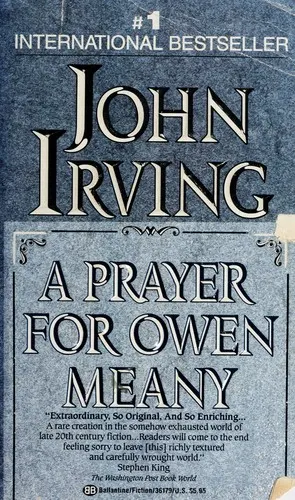
From its famous opening, John Irving’s novel tells you that tiny, strange-voiced Owen Meany will alter his best friend’s life and become the reason he believes in God. The fascination lies in discovering how a childhood full of accidents, jokes, performances, grudges, and apparent coincidences acquires the shape of destiny.
Like McCammon, Irving can move from broad comedy to grief without cheapening either. He takes children’s convictions seriously, surrounds them with vividly eccentric adults, and lets memory transform small-town episodes into something mythic. Owen is one of those characters readers carry for decades: infuriating, funny, mysterious, and fiercely purposeful. Often regarded as one of Irving’s defining novels, it offers the same exhilarating possibility as Boy’s Life—that the wonders of childhood may have been telling the truth all along.