Author
Books like Robert Penn Warren
3 books we recommend to Robert Penn Warren readers, drawn from All the King's Men — each with the reason why.
If you loved All the King's Men
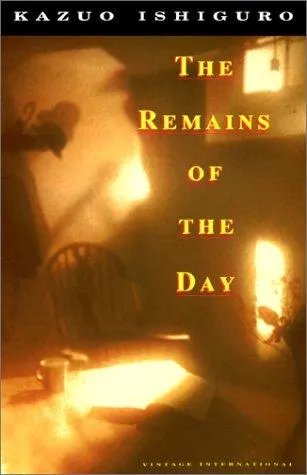
Stevens, the consummate butler, looks back on his service at Darlington Hall while insisting upon his own dignity and professionalism. As with Jack Burden, the real drama lies in the gap between a narrator’s polished account and the truths pressing through it.
Ishiguro replaces Warren’s torrential rhetoric with exquisite restraint, but both novels ask whether detachment is merely complicity wearing good manners. Private evasions open onto public catastrophe; loyalty becomes morally suspect; missed intimacy acquires tragic weight. Winner of the Booker Prize and now a modern classic, this is one of the few novels that can equal Warren’s power to make self-knowledge feel both necessary and devastating.
Daniel Isaacson is trying to write a dissertation and to understand what happened to his parents, executed as spies during the Cold War. His investigation moves jaggedly through documents, memories, political arguments, and family wounds, with a voice that can turn from intellectual swagger to anguish in a sentence.
A reader who loved Jack Burden’s pursuit of historical truth will recognize Doctorow’s central obsession: facts never remain safely in the past, and the investigator is never innocent. Yet Daniel is fiercer and more formally unruly than Jack, testing every available story about radicalism, patriotism, martyrdom, and betrayal. Widely considered among Doctorow’s finest novels, it turns political history into an intimate, corrosive inheritance.
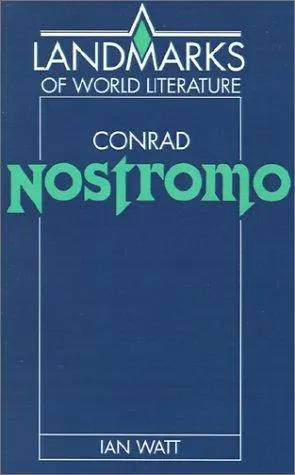
In the imagined republic of Costaguana, a valuable silver mine draws idealists, financiers, revolutionaries, and opportunists into a struggle over the country’s future. Conrad does not merely depict political corruption; he shows how noble principles become entangled with vanity, money, reputation, and the desire to command events.
Like Warren, he gives politics the scale of tragedy while refusing simple villains. His celebrated hero, Nostromo, matters partly because other people need him to embody courage and incorruptibility—a burden that becomes its own form of danger. Often judged Conrad’s greatest novel, Nostromo is dense, atmospheric, and astonishingly modern: a foundational anatomy of how power manufactures myths and how those myths master the people who create them.