Author
Books like Robert Graves
3 books we recommend to Robert Graves readers, drawn from I, Claudius — each with the reason why.
If you loved I, Claudius
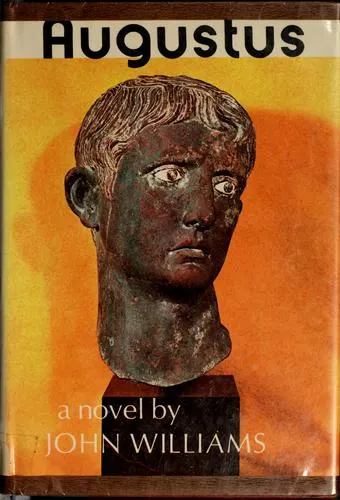
Williams makes imperial Rome speak through letters, memoirs, military dispatches, and private notes, allowing the public image of Augustus to emerge from competing loyalties and grudges. Like Graves, he understands that history is assembled by partial witnesses—and that a ruler may be most revealing when described by friends, enemies, and disappointed children.
The novel is leaner and more melancholy than I, Claudius, but comparably shrewd about the loneliness behind authority. Winner of the National Book Award, it has become the other great modern American novel by Williams devotees press into friends’ hands after Stoner. Missing it means missing one of fiction’s most convincing attempts to restore blood, uncertainty, and sorrow to an emperor’s marble face.
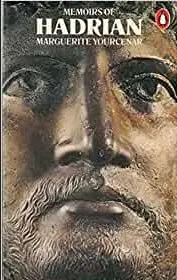
If Claudius’s confidential voice was the chief pleasure, Hadrian’s will be irresistible. Yourcenar imagines the aging emperor writing an extended letter to Marcus Aurelius, reviewing the appetites, calculations, ideals, and compromises of a life spent governing the known world.
Where Graves is mischievous and venomous, Yourcenar is lucid, sensuous, and meditative. Yet both perform the same extraordinary feat: they make an ancient ruler’s intelligence feel present in the room. Long regarded as a masterpiece of historical fiction, Memoirs of Hadrian offers not costume drama but consciousness—the inward cost of becoming inseparable from power.

Thomas Cromwell enters this novel as an observant outsider whom aristocrats underestimate at their peril. That position will feel familiar to a reader who delighted in Claudius surviving because others mistake watchfulness for weakness. Mantel gives equal weight to household talk, legal wording, money, marriage, and royal whim: the apparently minor details through which a regime is actually built.
The prose is immediate and electrically intelligent, and the court around Henry VIII has Graves’s dangerous mixture of theater and terror. Wolf Hall won the Booker Prize and transformed expectations for the modern historical novel. Its distinction is not simply that it recreates the past, but that it makes political thought itself suspenseful.