Author
Books like Robert Cormier
4 books we recommend to Robert Cormier readers, drawn from The Chocolate War and After the First Death — each with the reason why.
If you loved The Chocolate War
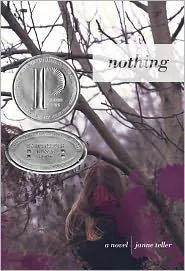
When Pierre Anthon announces that nothing matters and retreats to a plum tree, his classmates set out to prove him wrong. Their project soon exposes the same forces Cormier understood so well: group loyalty becoming coercion, moral language disguising domination, and adolescents discovering how intoxicating it is to make someone else submit.
Teller’s stark Danish novel won a national children’s-book prize while provoking bans and fierce classroom debate. Like The Chocolate War, it refuses the consoling fiction that courage or good intentions automatically defeat a collective appetite for power. It is brief, allegorical, and increasingly difficult to put down—a book whose central challenge keeps accusing the reader long after the final page.
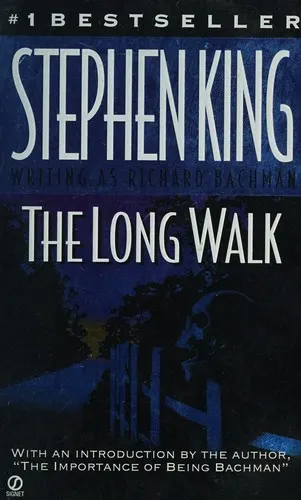
Published under King’s Richard Bachman pseudonym, this cult novel begins with one hundred teenage boys entering a state-sponsored walking contest governed by pitilessly simple rules. King pares away the usual dystopian machinery and concentrates on the boys themselves: their jokes, rivalries, friendships, bravado, and dawning awareness of what they have consented to.
A reader who admired Jerry Renault’s lonely resistance will recognize King’s equally unsentimental fascination with masculine performance and institutional power. The prose is relentless because the structure is relentless; every mile forces another calculation about solidarity, survival, and obedience. Often regarded by devoted King readers as one of the strongest Bachman novels, The Long Walk turns endurance into a moral nightmare.
If you loved After the First Death

Six strangers, including teenage Linus, awaken in an underground bunker controlled by an unseen captor. Linus records what happens in his diary: alliances, suspicions, attempts to understand the rules, and the corrosive effects of helplessness.
Readers drawn to the bus scenes in After the First Death will recognize the unbearable pressure Brooks creates from confinement and uncertainty. Yet this Carnegie Medal winner is not merely an ingenious hostage thriller. It asks what decency can mean when someone else controls every necessity, then refuses to soften that question for younger readers. Its uncompromising severity caused fierce debate; that same refusal to reassure is precisely why it is difficult to forget.
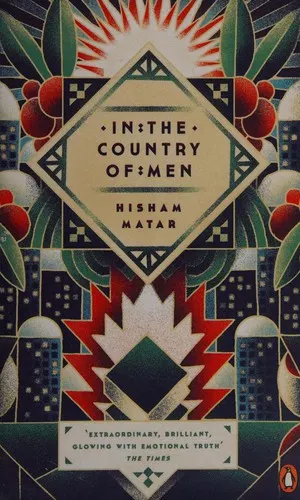
Nine-year-old Suleiman lives in 1979 Tripoli, where political danger appears to him only in fragments: whispered conversations, unexplained absences, surveillance, and adult fear. Because he cannot fully interpret what he sees, every observation carries a double charge—the child’s immediate emotion and the reader’s dawning comprehension.
Like Cormier, Matar is fascinated by innocence entangled with betrayal rather than simply destroyed by violence. Suleiman’s longing for love and certainty makes him vulnerable to forces he cannot name, and Matar renders that vulnerability with extraordinary precision. Shortlisted for the Booker Prize, this slender novel has the moral weight of a tragedy: quiet where After the First Death is explosive, but equally devastating about the uses adults make of children.