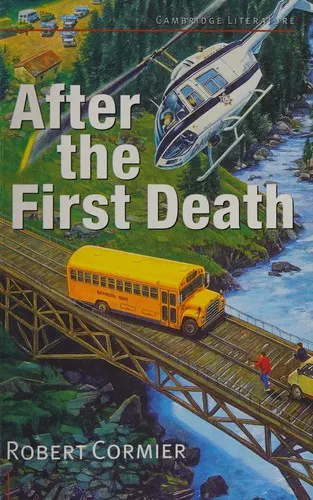
Books like After the First Death
What lingers is the need for another novel that turns suspense into a moral ordeal: young people trapped inside adult systems, every choice compromised, and no comforting lie that innocence guarantees protection.
If you liked After the First Death, you’ll love these
Not lookalikes — kindred books. Each one shares something essential with After the First Death, and we tell you exactly what.
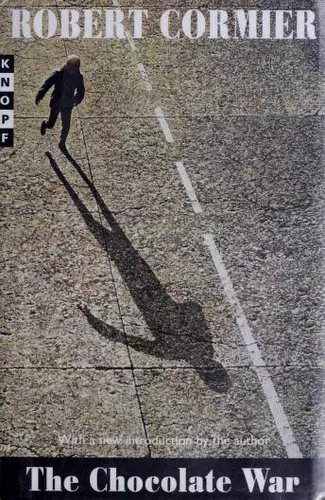
Cormier’s most natural companion to After the First Death replaces terrorists with a school’s seemingly ordinary machinery of authority. When Jerry Renault refuses to participate in Trinity’s annual chocolate sale, his small act exposes a network of intimidation involving teachers, students, and the Vigils, the school’s secret society.
The kinship lies in Cormier’s pitiless understanding of coercion. He moves among bullies, victims, collaborators, and bystanders without flattening anyone into a lesson, showing how institutions make cruelty feel inevitable. His stripped-down prose gives each threat the force of a verdict. Long established as a landmark—and frequently challenged—young-adult novel, The Chocolate War remains shocking because it never confuses courage with immunity.

Six strangers, including teenage Linus, awaken in an underground bunker controlled by an unseen captor. Linus records what happens in his diary: alliances, suspicions, attempts to understand the rules, and the corrosive effects of helplessness.
Readers drawn to the bus scenes in After the First Death will recognize the unbearable pressure Brooks creates from confinement and uncertainty. Yet this Carnegie Medal winner is not merely an ingenious hostage thriller. It asks what decency can mean when someone else controls every necessity, then refuses to soften that question for younger readers. Its uncompromising severity caused fierce debate; that same refusal to reassure is precisely why it is difficult to forget.
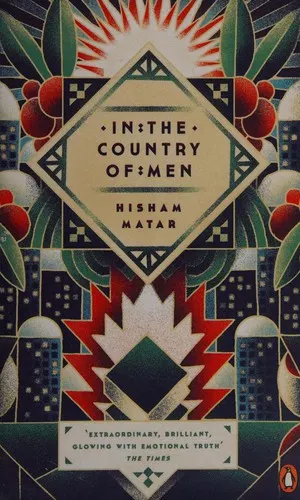
Nine-year-old Suleiman lives in 1979 Tripoli, where political danger appears to him only in fragments: whispered conversations, unexplained absences, surveillance, and adult fear. Because he cannot fully interpret what he sees, every observation carries a double charge—the child’s immediate emotion and the reader’s dawning comprehension.
Like Cormier, Matar is fascinated by innocence entangled with betrayal rather than simply destroyed by violence. Suleiman’s longing for love and certainty makes him vulnerable to forces he cannot name, and Matar renders that vulnerability with extraordinary precision. Shortlisted for the Booker Prize, this slender novel has the moral weight of a tragedy: quiet where After the First Death is explosive, but equally devastating about the uses adults make of children.