Author
Books like Robert Coover
5 books we recommend to Robert Coover readers, drawn from The Public Burning and The Origin of the Brunists — each with the reason why.
If you loved The Public Burning
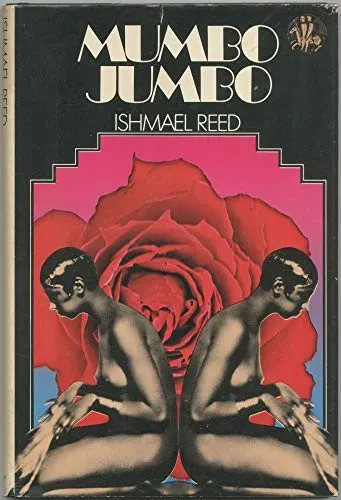
Reed turns American history into an occult slapstick battle over who controls culture. A contagious force called Jes Grew spreads music, dance, and unruly pleasure, while a secret establishment tries to suppress it—a conflict presented through photographs, headlines, diagrams, footnotes, and gleefully fabricated scholarship.
Like Coover, Reed treats official history not as settled fact but as propaganda vulnerable to comic sabotage. His jokes carry real political force: institutions defend themselves by deciding which stories count as knowledge and which become superstition. Reed’s signature novel, and a foundational work of Black postmodernism, is shorter and faster than The Public Burning but just as audacious. Few books make historical argument feel so much like contraband.
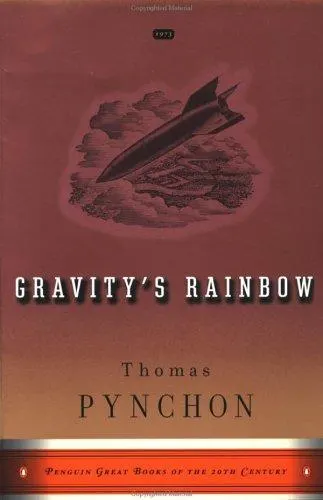
For the full-strength mixture of atrocity, vaudeville, paranoia, pornography, cartoons, and technological awe, read Gravity’s Rainbow. Beginning under the shadow of the V-2 rocket, it finds bureaucratic systems and private fantasies becoming indistinguishable: history seems to have been scripted by corporations, governments, Pavlovians, advertisers, and lunatics simultaneously.
Pynchon shares Coover’s refusal to grant solemn subjects a solemn style. Songs, pratfalls, obscene routines, and manic digressions do not soften the horror; they expose the grotesque machinery that respectable language conceals. The novel won the National Book Award and has inspired unusually devoted readers because its difficulty is inseparable from its exhilaration. If The Public Burning made you want fiction vast and reckless enough to challenge a nation’s mythology, this is the indispensable escalation.
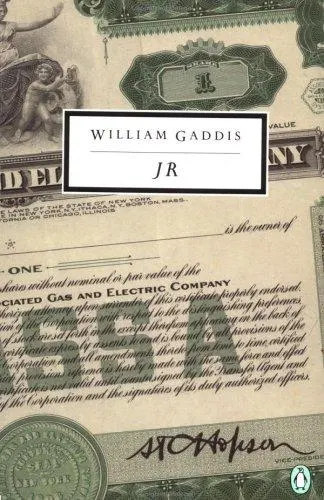
J R captures America as a wall of voices: sales pitches, telephone calls, legal evasions, educational jargon, financial euphemisms, and conversations in which almost nobody listens. Its young title character encounters the corporate world and grasps its governing logic with alarming clarity. Gaddis tells nearly everything through unattributed dialogue, making the reader reconstruct the action from verbal static.
Where Coover stages politics as public spectacle, Gaddis reveals capitalism as nonstop improvisational theater. Both understand that power lives inside clichés—and both make those clichés savagely funny by letting them multiply until they become a whole reality. Winner of the National Book Award, J R is revered for turning apparent chaos into exact comic composition. Once your ear adjusts, it becomes less like reading a conventional novel than overhearing the country incriminate itself.
If you loved The Origin of the Brunists
Tucker Caliban salts his fields, kills his livestock, burns his house, and leaves town—and soon the rest of the state’s Black population begins leaving too. Kelley tells this exodus largely through the white townspeople watching it, speculating about it, and exposing themselves with every attempted explanation.
A lover of The Origin of the Brunists will recognize the brilliance of making a whole community the protagonist. Rumor becomes narrative; prejudice masquerades as knowledge; individual voices merge into a collective blindness. Yet Kelley’s 1962 debut is tauter and more controlled than Coover’s carnival, delivering its ironies with devastating calm. Long cherished by writers and restored to prominence after decades of neglect, it is one of the great American novels about people who cannot understand the history unfolding directly before them.
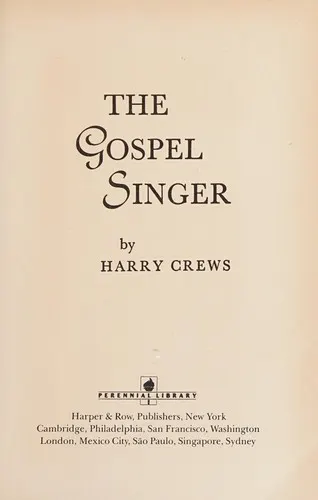
In the town of Enigma, Georgia, a famous gospel singer returns home surrounded by worshippers who want healing, spectacle, and access to the sacred aura they have built around him. Crews is interested not in whether this faith is intellectually defensible, but in what bodies, desires, resentments, and ambitions are concealed inside it.
That makes his ferocious debut a natural companion to The Origin of the Brunists. Both novels treat religious yearning as simultaneously ridiculous, erotic, commercial, sincere, and dangerous; neither grants readers the comfort of standing safely above the believers. Crews writes in hard, lurid strokes, giving every grotesque detail the gravity of ritual. The novel established the uncompromising vision that later made him a cult figure among American writers, and its feverish mixture of holiness and appetite is difficult to shake.