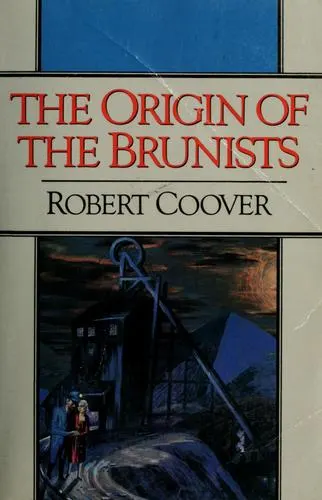
Books like The Origin of the Brunists
What lingers is the way an ordinary community talks itself into a new reality: private longings become public doctrine, comedy curdles into terror, and every witness helps create the catastrophe they think they are merely observing. These three novels possess that same unnerving social imagination.
If you liked The Origin of the Brunists, you’ll love these
Not lookalikes — kindred books. Each one shares something essential with The Origin of the Brunists, and we tell you exactly what.
Tucker Caliban salts his fields, kills his livestock, burns his house, and leaves town—and soon the rest of the state’s Black population begins leaving too. Kelley tells this exodus largely through the white townspeople watching it, speculating about it, and exposing themselves with every attempted explanation.
A lover of The Origin of the Brunists will recognize the brilliance of making a whole community the protagonist. Rumor becomes narrative; prejudice masquerades as knowledge; individual voices merge into a collective blindness. Yet Kelley’s 1962 debut is tauter and more controlled than Coover’s carnival, delivering its ironies with devastating calm. Long cherished by writers and restored to prominence after decades of neglect, it is one of the great American novels about people who cannot understand the history unfolding directly before them.
In the town of Enigma, Georgia, a famous gospel singer returns home surrounded by worshippers who want healing, spectacle, and access to the sacred aura they have built around him. Crews is interested not in whether this faith is intellectually defensible, but in what bodies, desires, resentments, and ambitions are concealed inside it.
That makes his ferocious debut a natural companion to The Origin of the Brunists. Both novels treat religious yearning as simultaneously ridiculous, erotic, commercial, sincere, and dangerous; neither grants readers the comfort of standing safely above the believers. Crews writes in hard, lurid strokes, giving every grotesque detail the gravity of ritual. The novel established the uncompromising vision that later made him a cult figure among American writers, and its feverish mixture of holiness and appetite is difficult to shake.
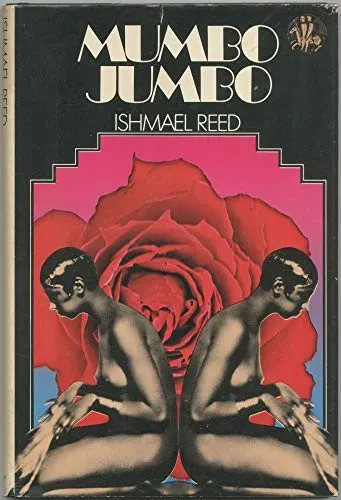
Reed imagines a contagious cultural force called Jes Grew spreading through 1920s America, making people dance while institutions devoted to order scramble to diagnose, suppress, and rewrite it. The story arrives through headlines, manifestos, photographs, conspiracies, historical fragments, and jokes that refuse to remain merely jokes.
Where Coover shows a sect manufacturing revelation from disaster, Reed shows rival powers fighting to decide which stories count as history, sickness, religion, or truth. The kinship lies in their exhilarating distrust of official explanation and their sense that belief can alter reality once enough people perform it together. Mumbo Jumbo became a landmark of American postmodernism, but it remains far more alive than that label suggests: fast, insolent, formally audacious, and charged with the pleasure of watching a supposedly stable world lose control of its own meanings.