Author
Books like Richard Wright
3 books we recommend to Richard Wright readers, drawn from Native Son — each with the reason why.
If you loved Native Son
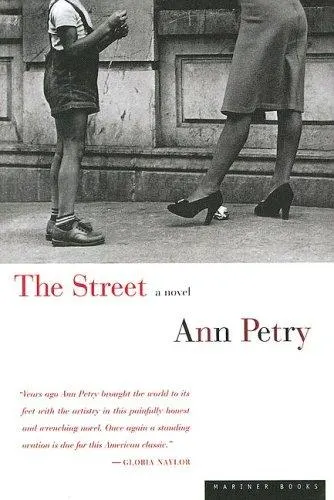
Lutie Johnson believes discipline and hard work can secure a decent life for herself and her son. Petry then shows, with devastating precision, how housing, money, sex, racism, and other people’s appetites turn that reasonable hope into a tightening trap.
Like Wright, Petry converts social analysis into suspense: every hallway, paycheck, and unwanted glance carries pressure. Yet Lutie is no female counterpart pasted onto Bigger; her aspirations and vulnerabilities give the novel its own tragic logic. Published in 1946, The Street became the first novel by a Black woman to sell more than a million copies. Its renewed reputation is richly deserved: few novels make systemic injustice feel so immediate—or make hope itself seem so perilous.
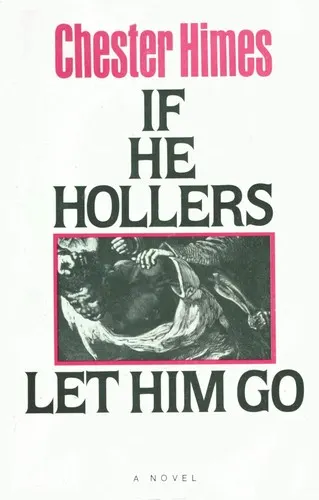
Bob Jones, a Black foreman in a wartime Los Angeles shipyard, wakes each morning already braced for humiliation. Himes writes from inside that state of siege. Bob’s anger, desire, fear, and self-suspicion collide in prose that feels feverishly close to the skin.
A reader gripped by Bigger’s unstable consciousness will recognize Himes’s refusal to separate private violence from the world that manufactures it. But this is sharper, more sardonic, and more openly volatile than a conventional protest novel. Long admired as one of Himes’s fiercest books, it captures racism not as an abstract wrong but as a daily assault on perception. It is short, fast, and extraordinarily hard to shake.
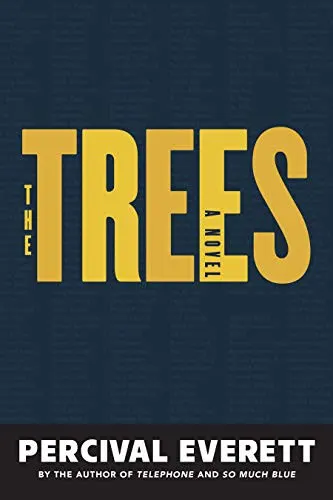
Everett begins with a grotesque murder in Money, Mississippi, and sends two Black detectives to investigate. From there, he combines crime fiction, horror, slapstick, and historical reckoning without letting any one mode neutralize the others.
Where Wright uses naturalism to expose America’s racial nightmare, Everett weaponizes absurdity: the laughter catches in your throat because the history underneath it is real. The Trees was shortlisted for the Booker Prize, but its distinction lies less in the honor than in its daring control of tone. It is furious, wildly readable, and formally audacious—a vision of racial violence returning to confront a country that would rather file it away.