Author
Books like Richard Russo
3 books we recommend to Richard Russo readers, drawn from Empire Falls and Nobody's Fool — each with the reason why.
If you loved Empire Falls

Haruf’s National Book Award finalist offers the communal warmth of Empire Falls in a radically different style. Where Russo is expansive and comic, Haruf is spare, quiet, and almost musical. In Holt, Colorado, a teacher, two isolated brothers, and a pregnant teenager begin moving into one another’s lives; the drama lies less in startling events than in hesitant acts of shelter and trust.
What will feel familiar is Haruf’s refusal to divide people neatly into winners and failures. Loneliness is everywhere, but so is the possibility that awkward, unglamorous kindness can become a form of rescue. Plainsong has inspired unusual reader devotion because it makes goodness dramatically compelling without making it easy or sentimental. Its plain surface hides an accumulating emotional force that is difficult to shake.
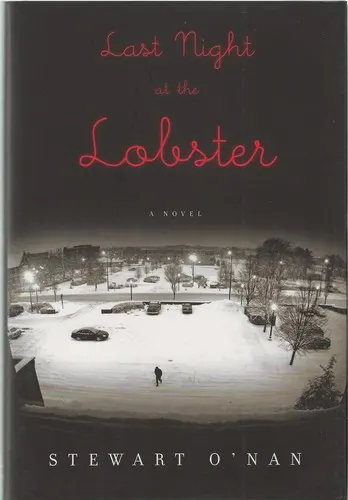
This beautifully compressed novel follows Manny DeLeon through the final shift of a closing chain restaurant in a snowstorm. Its scale is tiny beside Empire Falls, yet it contains the same understanding that a workplace can be a community, a hierarchy, a refuge, and a source of humiliation all at once.
O’Nan notices everything: the manager’s anxious calculations, the unreliable staff, the corporate rituals that continue even when the restaurant has no future, and the tenderness concealed inside professional routine. Manny, like Miles Roby, is a decent man trying to fulfill obligations that the larger economy regards as disposable. In barely more than a hundred pages, O’Nan gives service work the gravity usually reserved for epic subjects. Missing it would mean missing one of contemporary fiction’s clearest, most moving portraits of ordinary competence under pressure.
If you loved Nobody's Fool
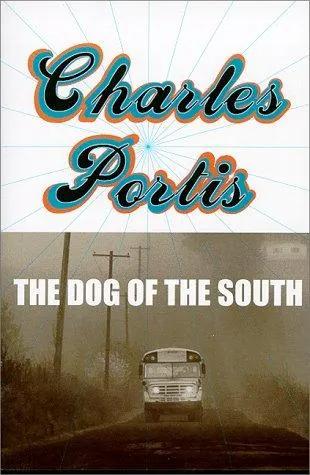
If Sully’s stubbornness, improvisational ethics, and inexhaustible talent for making matters worse were your chief pleasures, meet Ray Midge. After his wife leaves with her former husband, taking Ray’s car and credit card, he follows the trail of receipts southward. His pursuit is less a heroic quest than a masterpiece of aggrieved, methodical folly.
Portis’s comedy lives in deadpan narration, eccentric conversation, and the yawning gap between a man’s self-image and what everyone else can plainly see. Yet Ray is never merely a joke; like Sully, he earns affection through persistence and a peculiar integrity that survives his foolishness. Portis became a writers’ writer with an unusually devoted readership, and this is one of the novels that explains the devotion: every page seems casually funny until you realize how exact the character work is.