
Books like Plainsong
A formidable Budapest housekeeper may seem far removed from Holt, Colorado, yet she reveals the deepest bond among these books: each treats care not as a feeling but as daily work—meals cooked, tasks completed, burdens quietly carried.
If you liked Plainsong, you’ll love these
Not lookalikes — kindred books. Each one shares something essential with Plainsong, and we tell you exactly what.

Emerence, the fiercely private housekeeper hired by a successful writer, expresses affection through sweeping, cooking, guarding and commanding. Like Haruf, Szabó understands that people who cannot speak tenderly may nevertheless build their lives around acts of devotion.
The tone is harsher and the relationship more volatile than anything in Plainsong, but the moral intelligence is closely related: dignity matters; dependence is dangerous; kindness can carry its own arrogance. Len Rix’s lucid translation helped establish this masterpiece by one of Hungary’s great novelists among English-language readers. Emerence is unforgettable—exasperating, magnificent and as fully alive as anyone in contemporary fiction.
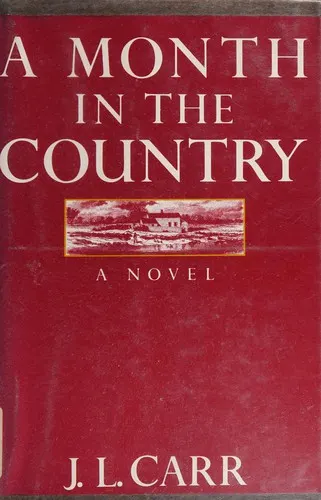
In the summer after the First World War, a damaged young veteran comes to a Yorkshire village to uncover a medieval painting hidden beneath a church wall. Carr makes the patient work of restoration inseparable from the man’s tentative return to life.
This Booker-shortlisted, Guardian Fiction Prize-winning novella shares Haruf’s extraordinary economy: weather, labor, meals and modest exchanges reveal what more demonstrative novels would explain. Its villagers are neither quaint nor symbolic; their small kindnesses have weight because Carr never sentimentalizes them. Few books create so complete a world in so little space, and its final pages leave the particular ache of remembering happiness only after it has passed.

Old Jack Beechum, a ninety-two-year-old Kentucky farmer, sits among the people of Port William while his mind returns to the work, ambitions, mistakes and loyalties of his long life. Berry’s subject is not nostalgia but the difficult accounting by which an ordinary existence becomes whole.
Readers who loved Plainsong’s McPheron brothers will recognize Berry’s respect for competence, endurance and people shaped by necessary work. More importantly, both writers see community as a web of obligations that persists despite pride, failure and silence. Berry’s Port William novels have inspired unusually devoted readers because they offer something rare: a vision of belonging that acknowledges its costs. Old Jack’s life gradually acquires the grandeur of an epic without ever ceasing to be a farmer’s life.