Author
Books like Ralph Ellison
3 books we recommend to Ralph Ellison readers, drawn from Invisible Man — each with the reason why.
If you loved Invisible Man
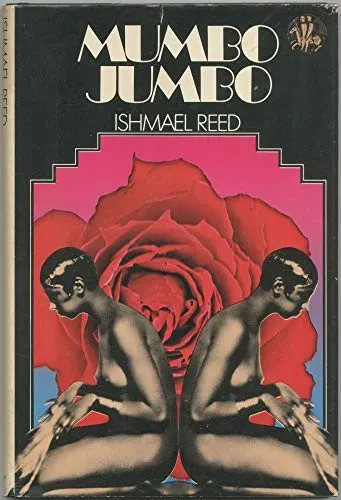
Reed takes Ellison’s jazzlike freedom and makes it the governing principle of an entire novel. In 1920s America, a contagious cultural force called Jes Grew spreads through music, dance, and collective ecstasy, alarming authorities devoted to order and repression. The book itself catches the fever: photographs, footnotes, advertisements, occult history, detective fiction, and slang collide on the page.
Like Ellison, Reed treats Black culture as both a source of power and something institutions desperately try to package, suppress, or steal. But Mumbo Jumbo is no dutiful descendant; it is wilder, faster, and gleefully blasphemous. Its influence on later experimental and Afrofuturist fiction is immense, and its admirers tend to speak of it as a liberation. Skip it, and you miss one of the few American novels audacious enough to answer Ellison’s formal energy with an invention of its own.
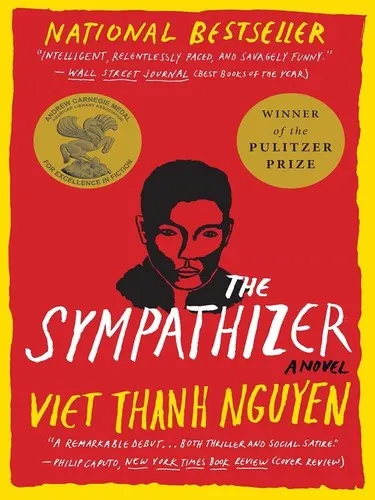
Nguyen’s Pulitzer Prize–winning novel begins with a narrator who belongs to opposing worlds at once: he is a South Vietnamese military officer, a communist agent, an exile, and a man educated in the language of his enemies. That divided consciousness produces the same charged double vision that makes Invisible Man so penetrating. He can inhabit an ideology’s rhetoric while exposing the vanity, cruelty, and absurdity underneath it.
The voice is the irresistible element: erudite, confessional, mordantly funny, and always aware that storytelling itself can become an interrogation. Nguyen also shares Ellison’s refusal to let any political faction claim moral simplicity. Revolutionary doctrine, American benevolence, nationalism, and Hollywood all become performances with human costs. This is the rare modern political novel whose ideas sharpen rather than smother its personality.
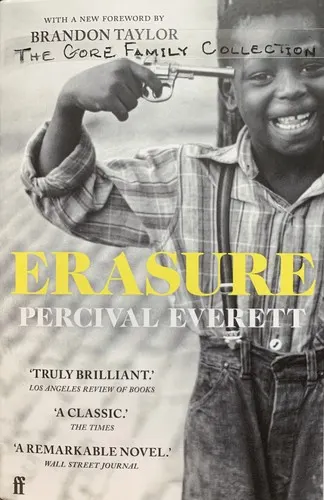
Thelonious “Monk” Ellison is an intellectually ambitious Black novelist whose work is dismissed as insufficiently representative of Black life. Infuriated by the publishing industry’s appetite for degrading clichés, he writes a savage parody—and watches the literary world embrace exactly what he meant to condemn.
That premise gives Everett room for comedy of almost unbearable precision, but Erasure is more than an industry satire. Like Invisible Man, it asks what remains of individuality when audiences reward only the identity they already expect to see. Monk’s dry, wounded intelligence makes the novel intimate even as its metafictional tricks grow bolder; family grief and professional humiliation keep the argument grounded in lived consequence.
Long cherished as a cult classic and later adapted into the acclaimed film American Fiction, Erasure is one of the clearest proofs that Ellison’s questions never became historical artifacts. It is lean, merciless, and far more emotionally complicated than its brilliant joke initially suggests.