Author
Books like Rainer Maria Rilke
3 books we recommend to Rainer Maria Rilke readers, drawn from The Notebooks of Malte Laurids Brigge — each with the reason why.
If you loved The Notebooks of Malte Laurids Brigge
In Hamsun’s breakthrough novel, an impoverished writer wanders Kristiania, but deprivation is only the pressure chamber. The real spectacle is a mind improvising excuses, provocations and grandiose fantasies faster than reality can correct them. Like Malte, he is painfully alert to every humiliation and bodily sensation, yet remains capable of sudden comedy and ecstatic perception.
Published in 1890, Hunger is often located near the beginning of modernist fiction because it makes unstable consciousness—not social explanation—the central event. Its narrator’s self-sabotaging pride gives the book a savage momentum that Rilke’s more meditative fragments deliberately resist. Malte’s solitude feels different after encountering this brilliant, appalling ancestor.
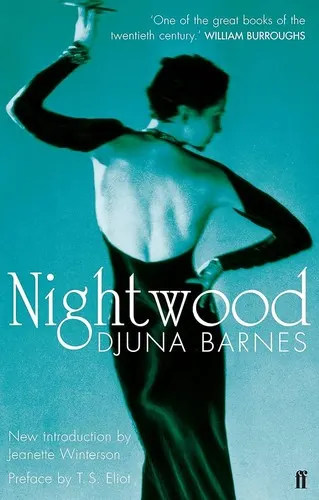
Read Nightwood for sentences that behave like incantations. Barnes turns desire, abandonment and sleeplessness into dense verbal architecture: grotesque, biblical, comic and mournful at once. Her characters speak because ordinary psychological language cannot contain what has happened to them—much as Malte reaches toward legend, prayer and remembered images when straightforward confession fails.
T. S. Eliot championed the novel, and it has endured as one of modernism’s great cult books, inspiring particular devotion among writers and queer readers. It is difficult in the rewarding way Malte is difficult: not obscure for display, but compressed because its emotional knowledge cannot be paraphrased. Few novels make desolation sound so sumptuous.
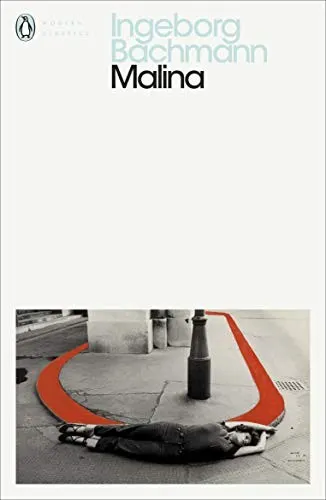
Bachmann’s unnamed narrator lives in Vienna between Ivan, the object of her consuming love, and Malina, her composed, rational male counterpart. Yet the triangle quickly becomes an inquiry into whether a woman can speak, write or even possess a stable self inside languages shaped by domination. Interviews, letters, dialogue, dreams and fairy-tale forms fracture the narrative rather than resolve it.
Malina carries Rilke’s project into the moral wreckage of postwar Europe. Its shifts of voice have Malte’s sense that the self is not a unity but a crowded, dangerous interior; its lyric intensity likewise makes thought palpable as rhythm. The only completed volume of Bachmann’s projected “Ways of Death” cycle, it is now recognized as a central achievement of postwar German-language fiction. For a Malte reader, it offers the rare thrill of seeing fragmentary form become not an aesthetic mannerism but a matter of survival.