Author
Books like Rachel Kushner
3 books we recommend to Rachel Kushner readers, drawn from The Mars Room — each with the reason why.
If you loved The Mars Room
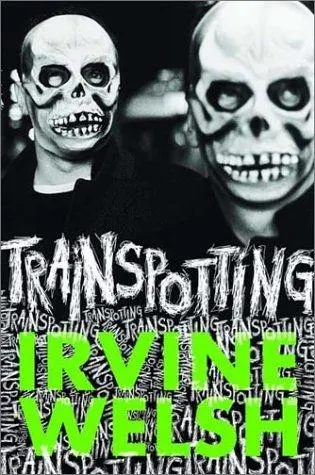
Welsh shares Kushner’s gift for making lives commonly treated as case studies feel unruly, intelligent, comic, and fully inhabited. His young Edinburgh addicts speak in fiercely vernacular voices, and the novel’s episodic form creates a whole social ecosystem—friends, families, dealers, pubs, unemployment offices—rather than offering one tidy cautionary tale.
What makes this cult classic indispensable is its refusal of respectable moral distance. It can be revolting, hilarious, tender, and politically furious within a few pages. Like The Mars Room, it understands that self-destruction is both personal and inseparable from the world distributing the available choices.
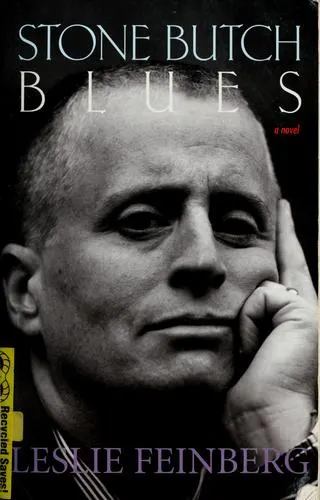
Jess Goldberg grows up butch and working-class, finding precarious belonging in bars, factories, friendships, and political struggle. Feinberg writes police violence, economic vulnerability, gender nonconformity, and desire with the same unsentimental clarity Kushner brings to incarceration. Yet the novel’s deepest subject is survival through solidarity: the fragile communities people make when official institutions treat them as disposable.
Long regarded as a landmark of queer literature, Stone Butch Blues inspires unusual devotion because it is both historically illuminating and painfully intimate. Its anger has weight, its tenderness is hard won, and Jess is the kind of unforgettable outsider Romy Hall’s readers will recognize without ever confusing the two.
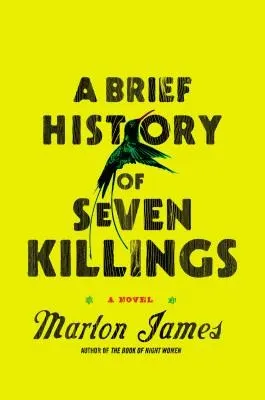
If the exhilarating multiplicity of The Mars Room mattered as much as Romy’s story, read Marlon James’s Booker Prize winner. Beginning around the attempted shooting of a Jamaican musician known as the Singer, it passes the narrative among gang members, politicians, intelligence operatives, journalists, and ghosts. Each voice alters the moral and political scale of what you thought you understood.
James is interested not merely in violence but in its infrastructure: who finances it, narrates it, profits from it, and gets erased by it. The novel is demanding, profane, and electrically alive. Its chorus of compromised people produces the same rare effect as Kushner’s best passages—the sense that society is speaking from underneath its official story.