Author
Books like Rachel Cusk
3 books we recommend to Rachel Cusk readers, drawn from Outline — each with the reason why.
If you loved Outline
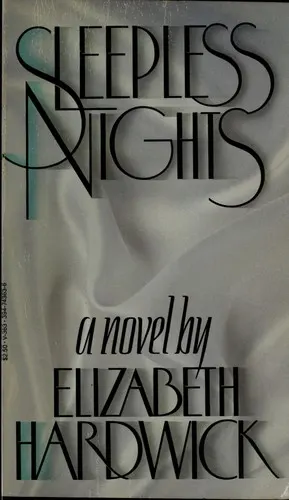
Hardwick’s 1979 masterpiece is one of the clearest ancestors of Outline: a novel assembled from memories, encounters, letters, rented rooms, and other people’s stories. Its narrator seems to disappear into what she observes, yet every selection and omission reveals the intelligence doing the looking.
The prose is sharper and more glittering than Cusk’s, capable of turning a remembered gesture into an entire life. Long cherished as a writer’s writer’s book, Sleepless Nights helped make fragmentary, memoir-inflected fiction feel like a form rather than an evasion. If Outline showed you how absence can become a narrative presence, Hardwick’s slim, inexhaustible novel is essential.
Bridget’s mother talks incessantly—about meals, outings, disappointments, and her own supposedly cheerful nature—while Bridget answers as little as possible. From that unequal exchange, Riley constructs a ferociously precise portrait of a family and of the evasions people require in order to live with themselves.
An admirer of Outline will recognize the power of dialogue that exposes far more than its speaker intends, and a narrator whose restraint is morally complicated rather than merely cool. Riley’s dry comedy makes the cruelty land harder: a misplaced phrase can be funny, unbearable, and diagnostic at once. My Phantoms has earned unusually devoted admiration for its concision and emotional accuracy; missing it means missing one of contemporary fiction’s finest studies of what listening can conceal.
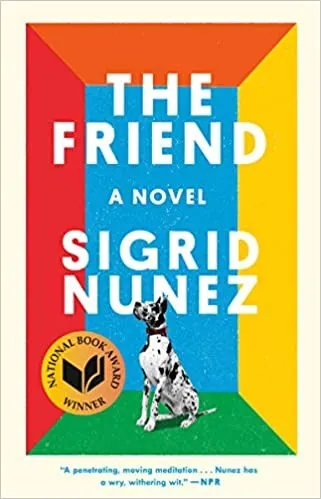
After a close friend dies, a writer unexpectedly becomes responsible for his enormous Great Dane. That premise gives Nunez room to range through grief, friendship, teaching, literature, suicide, and the uneasy ethics of turning life into art. The book moves by association rather than conventional plot, speaking to an absent person while gathering force through digression.
Where Cusk is architectural and austere, Nunez is warmer, more openly tender, but both trust thought itself to create momentum. The Friend won the National Book Award because its intelligence never feels ornamental: every literary reflection presses against the practical facts of loss and care. It is the rare novel of ideas that also leaves readers fiercely attached to its living presences.