Author
Books like Pietro di Donato
3 books we recommend to Pietro di Donato readers, drawn from Christ in Concrete — each with the reason why.
If you loved Christ in Concrete
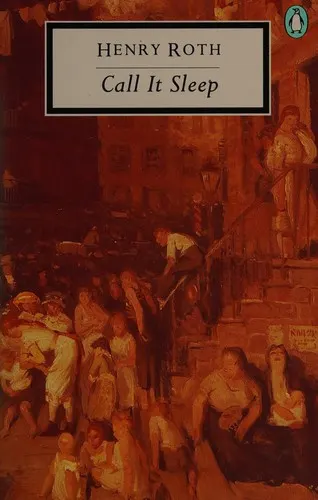
No novel is a closer match for di Donato’s ability to turn immigrant speech and a frightened child’s perceptions into modernist music. David Schearl grows up in a Jewish tenement world where poverty, family tension, street language, and religious dread crowd every sensation. Roth’s prose moves between rough vernacular and visionary intensity, much as Christ in Concrete rises from the construction site toward the sacred without abandoning physical reality.
Neglected after its 1934 publication and triumphantly rediscovered three decades later, Call It Sleep is now regarded as a masterpiece of American immigrant fiction. Its final movement is among the most overwhelming achievements in the literature of childhood. To miss it would be to miss the novel that most fully answers di Donato’s fusion of the tenement and the sublime.
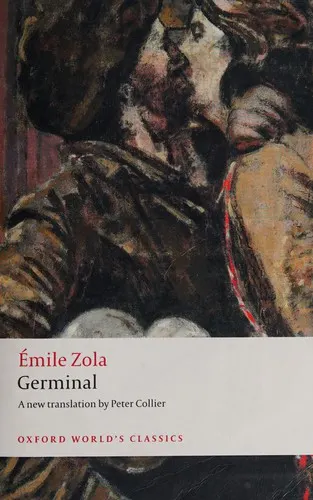
Read Germinal for the tremendous weight it gives labor: the exhausted bodies, dangerous machinery, hunger, comradeship, and anger that polite society prefers not to see. Zola begins with the unemployed Étienne Lantier arriving at a northern French coal mine, then makes the mine itself feel like a living appetite swallowing generations of workers.
Yet this is no cold sociological document. Like di Donato, Zola enlarges physical toil into elemental drama while keeping faith with the particular people who pay its price. Germinal became one of the defining novels of the labor movement because its indignation is inseparable from its storytelling power. Its crowds, shafts, meals, and silences have an epic force that makes exploitation impossible to regard abstractly again.
Rodoreda offers a quieter but equally piercing transformation of working-class suffering into lyrical art. Her narrator, Natàlia, is a young Barcelona woman whose ordinary domestic life gradually tightens around her. The voice is deceptively simple: intimate, breathless, full of concrete objects and recurring images that gather an almost sacramental power.
What links Rodoreda to di Donato is not merely hardship but the miracle of style—the way crushed lives retain mystery, beauty, and irreducible dignity. Widely considered a masterpiece of Catalan literature, The Time of the Doves has inspired fierce devotion because Natàlia’s voice seems less written than survived. It is short, haunting, and likely to remain in the mind long after larger novels have faded.