Author
Books like Peter Johnston
3 books we recommend to Peter Johnston readers, drawn from Goodnight Mister Tom — each with the reason why.
If you loved Goodnight Mister Tom
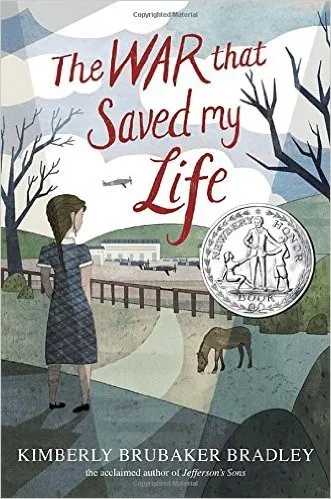
Ada has been taught to regard her clubfoot—and therefore herself—as shameful. When evacuation offers an escape from the London room in which she has been confined, freedom initially feels almost as frightening as captivity.
This Newbery Honor novel is Goodnight Mister Tom’s closest emotional heir, not simply another wartime evacuation story. Bradley understands that a mistreated child cannot instantly trust kindness: Ada’s anger, secrecy and fierce self-reliance are survival skills. Like Tom, her reluctant guardian offers care through food, clean clothes, boundaries and patience rather than miraculous speeches. The result is an intensely satisfying account of dignity being rebuilt one ordinary act at a time.
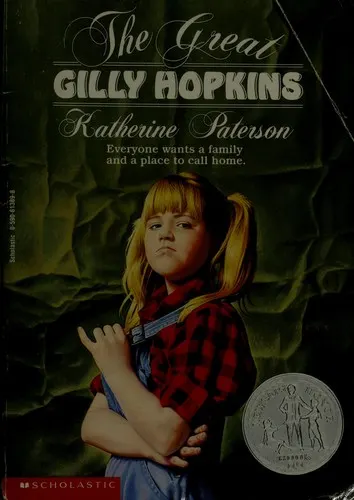
Gilly arrives at yet another foster home determined to reject it before it can reject her. Clever, abrasive and deliberately offensive, she seems nothing like timid Willie—but both children have built personalities around the expectation of being unwanted.
Maime Trotter is one of children’s literature’s great unconventional carers: untidy, unflappable and impossible to intimidate. Paterson makes affection difficult, funny and costly, never pretending that damage disappears when a good adult enters the room. Winner of the National Book Award and a Newbery Honor, this enduring novel has the moral courage to let love matter without making it easy. Readers who treasured Tom’s patient recognition of the child beneath Willie’s fear should not miss it.
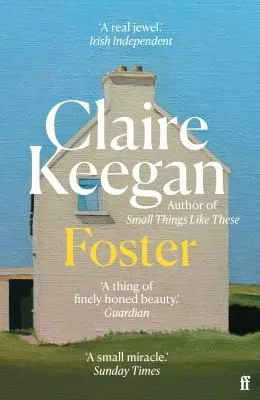
A father leaves his young daughter with the Kinsellas, relatives she scarcely knows. In their quiet farmhouse she begins noticing bewildering differences: enough food, a clean bed, work done without rage, and adults who pay attention to what she says.
Keegan’s celebrated short novel distils into fewer than a hundred pages the revelation at the heart of Goodnight Mister Tom: neglected children discover love first through its smallest physical evidence. Every glass of water, folded garment and shared task carries emotional weight. The prose is lucid and restrained, leaving the reader to feel what the child cannot yet name. Its extraordinary reputation—and the acclaimed film The Quiet Girl drawn from it—is deserved: few books portray the awakening of trust with such precision or such quiet force.