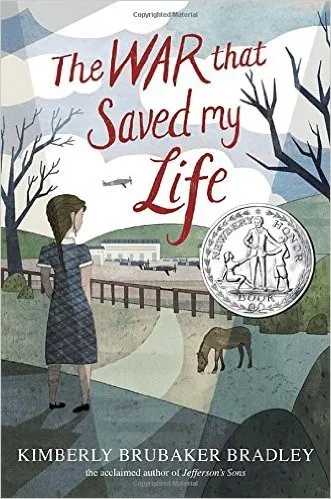
Books like The War That Saved My Life
Ada’s deepest victory is learning that the shame attached to her injured foot belongs to the adults who mistreated her, not to her. These novels share Bradley’s faith in wary, capable children who discover that safety is built through practical care, hard choices, and trust earned inch by inch.
If you liked The War That Saved My Life, you’ll love these
Not lookalikes — kindred books. Each one shares something essential with The War That Saved My Life, and we tell you exactly what.
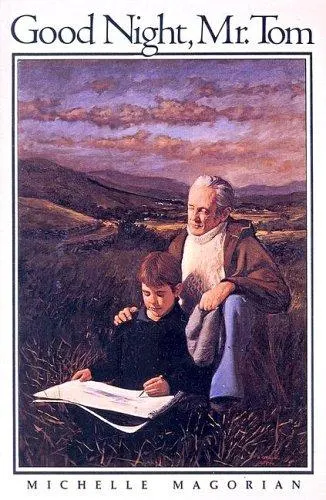
Willie Beech arrives in the countryside as a wartime evacuee, carrying his mother’s cruelty in every flinch and apology. The gruff, solitary Tom Oakley responds not with speeches but with food, clean clothes, patience, and dependable routines. Like Bradley, Magorian understands that an abused child may find kindness frightening—and that recovery appears first in small bodily freedoms: eating, sleeping, exploring, making things.
Winner of the Guardian Children’s Fiction Prize, this is a classic because its tenderness is never cheap. Readers who treasured the slow creation of Ada and Susan’s family will find Tom and Willie’s bond almost unbearably moving.
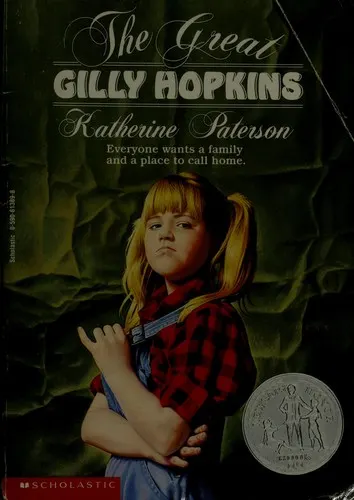
Ada’s anger is part of what makes her unforgettable; Bradley never requires her heroine to become sweet before she deserves love. Katherine Paterson grants Gilly Hopkins the same dignity. Shunted through foster homes, Gilly weaponizes her intelligence, contempt, and talent for spotting weakness. Her new foster mother, Trotter, is nothing like the rescuer Gilly imagines wanting—and refuses to be driven away.
A National Book Award winner and Newbery Honor book, this compact novel is tougher and less reassuring than most stories about finding a home. Paterson lets affection remain messy, compromised, and real. Gilly can be appalling, funny, and heartbreakingly young on the same page; missing her would mean missing one of children’s literature’s great difficult heroines.
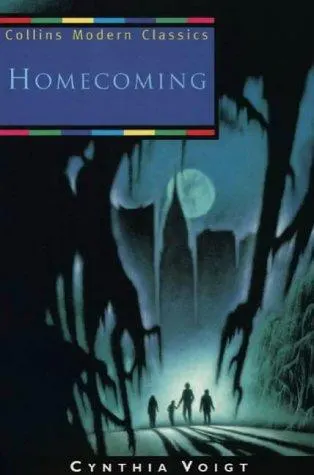
When thirteen-year-old Dicey Tillerman and her three younger siblings are abandoned in a mall parking lot, she decides they will walk to a relative’s house. What follows is gripping not because Dicey possesses magical courage, but because Voigt makes competence thrilling: counting coins, reading maps, finding food, judging strangers, and keeping frightened children moving.
That practical resourcefulness will feel wonderfully familiar to anyone who loved watching Ada discover what her body and mind could do. Yet Dicey is no copy: she is already a protector, and her danger lies in believing she must carry everything alone. The beloved first novel of Voigt’s Tillerman cycle offers a spacious, unsentimental vision of family as something tested and made—not merely inherited.