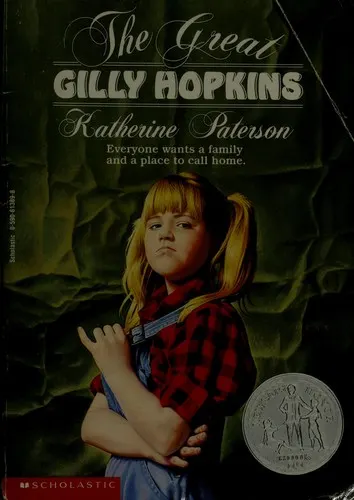
Books like The Great Gilly Hopkins
Gilly leaves behind a taste for sharp-tongued children whose defiance is really a form of self-protection—and for stories wise enough to make love difficult, costly, and transformative rather than cozy.
If you liked The Great Gilly Hopkins, you’ll love these
Not lookalikes — kindred books. Each one shares something essential with The Great Gilly Hopkins, and we tell you exactly what.
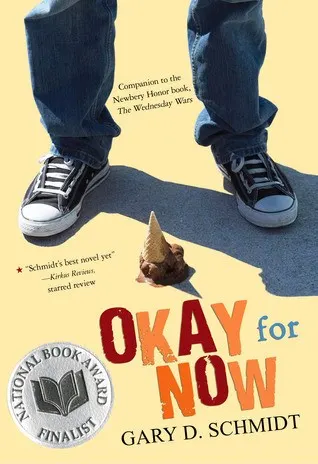
Doug Swieteck arrives in a new town carrying anger, humiliation, and a practiced talent for making people dislike him first. Like Gilly, he is funny precisely when he is most defensive, and Schmidt lets us recognize the frightened intelligence beneath his swagger without excusing his cruelty.
An unlikely fascination with Audubon’s bird paintings begins opening parts of Doug that ordinary kindness cannot reach. Schmidt’s widely admired novel is masterful about how art, work, and a few attentive adults can enlarge a child’s sense of what his life might be. Its wit keeps the pain from becoming oppressive; its emotional precision makes Doug extraordinarily hard to forget.
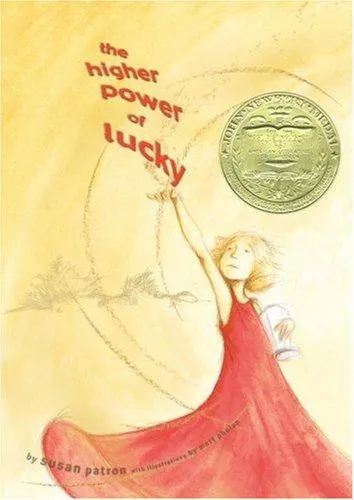
Ten-year-old Lucky lives in the tiny desert settlement of Hard Pan, listening outside twelve-step meetings and collecting strange ideas about the mysterious “Higher Power.” Her comic curiosity conceals a constant fear: the people she depends on may decide she is too much trouble and leave.
That mixture of bravado, vigilance, and aching need will be instantly recognizable to a Gilly admirer. Patron’s eccentric characters never feel like whimsical decorations; they create a community in which belonging remains precarious but possible. Winner of the Newbery Medal, this compact novel earns its tenderness through Lucky’s stubbornness, mistakes, and irrepressible intelligence.
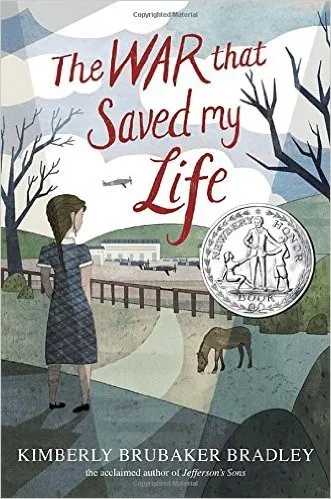
Ada has learned to expect contempt, so when wartime evacuation removes her from an abusive London home, safety does not feel safe. Care itself becomes threatening. Her suspicion, fury, and determination recall Gilly’s deepest contradiction: she longs to be wanted but has built her identity around needing no one.
Bradley renders that contradiction with unusual patience. Ada does not become trusting because the plot requires a heartwarming scene; every small change carries the weight of what she has survived. A Newbery Honor book with fiercely devoted readers, this is a gripping, unsentimental account of a child discovering that independence and love need not cancel each other out.