Author
Books like Peter George
3 books we recommend to Peter George readers, drawn from Red Alert — each with the reason why.
If you loved Red Alert
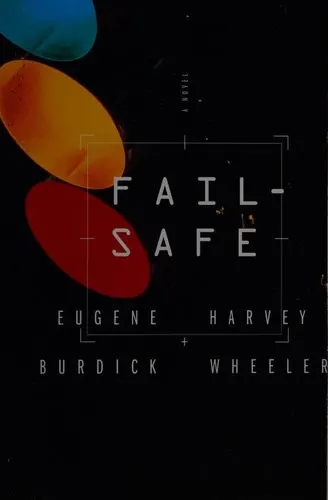
The essential companion to Red Alert turns a similarly accidental nuclear crisis into a colder, almost clinical tragedy. Once American bombers receive an erroneous attack order, every safeguard behaves exactly as designed—and that is the nightmare.
Where Peter George gives catastrophe a spark of madness, Burdick and Wheeler emphasize decent, rational professionals confronting choices that reason cannot make humane. The terse shifts among cockpit, command center, and presidential communications create extraordinary pressure without theatrical embellishment. A major bestseller later filmed by Sidney Lumet, Fail-Safe remains gripping because its true antagonist is procedure itself. Reading Red Alert without reading this formidable counterargument leaves the era’s defining nuclear dilemma only half explored.
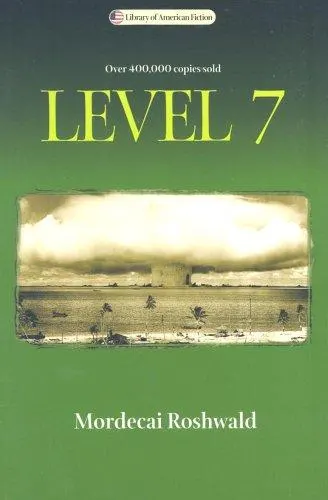
This 1959 cult classic takes Red Alert’s blackest implication—that modern war has reduced people to components—and gives it a voice. X-127, known only by his function, lives deep underground with the single duty of operating his nation’s ultimate weapons. His diary records a world of numbered personnel, sealed levels, euphemisms, and officially managed emotions.
The prose is deliberately plain, making every bureaucratic absurdity land harder. Roshwald finds bitter comedy in the effort to regulate fear and morality, then lets that comedy curdle into something unforgettable. Level 7 is less a conventional thriller than a dispatch from inside the machine Red Alert fears; its austere imaginative force has kept it central to nuclear-war fiction.
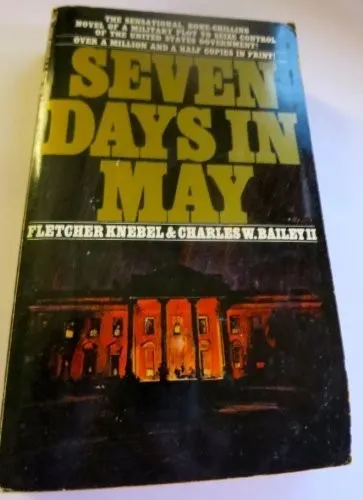
Red Alert understands that military catastrophe begins long before anyone presses a button: it begins when obedience, patriotism, and personal authority become indistinguishable. Seven Days in May builds a superb political thriller from that insight. A Marine colonel notices small irregularities suggesting that senior officers may be turning the machinery of national defense against civilian government.
Its suspense comes from paperwork, divided loyalties, guarded conversations, and the terrifying difficulty of proving a threat concealed inside legitimate command structures. The novel became a bestseller and the template for the modern military-coup thriller, with an enduring film adaptation to match. Its special power lies in making constitutional restraint feel as urgent and precarious as bomb disposal—a natural next read for anyone gripped by Red Alert’s distrust of powerful men certain that history has authorized them.