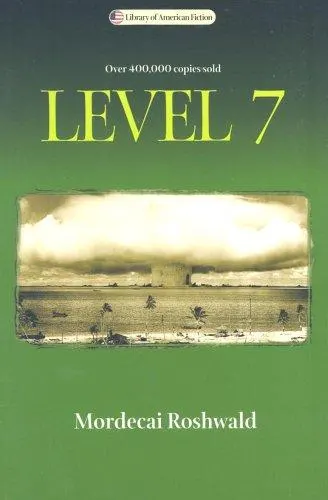
Books like Level 7
What becomes of moral responsibility when a human being has been trained to think of himself as a replaceable part in a flawless machine? These three novels pursue that terror through confession, waiting, and ordinary life under extinction.
If you liked Level 7, you’ll love these
Not lookalikes — kindred books. Each one shares something essential with Level 7, and we tell you exactly what.
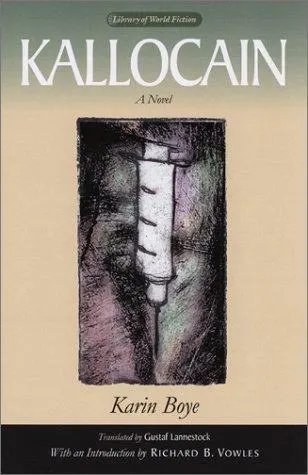
Leo Kall is an exemplary servant of the Worldstate—and the inventor of a drug that compels people to reveal their innermost thoughts. Like Level 7’s X-127, he narrates in the language of a system that has colonized his mind; the drama lies in hearing doubt and human longing gradually disturb that official vocabulary.
Published in 1940, Kallocain is a foundational Swedish dystopia, but it feels startlingly intimate rather than monumental. Boye understands that totalitarian power fears not merely rebellion but friendship, privacy, and any loyalty it cannot administer. Readers who loved Roshwald’s deadpan collision between bureaucratic logic and moral horror will find this an uncannily precise companion.
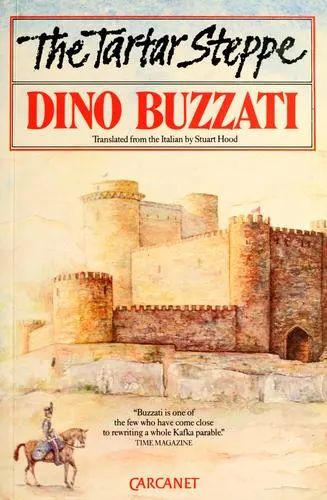
A young officer, Giovanni Drogo, arrives at a remote fortress where everyone waits for the enemy that will justify their discipline and sacrifice. Buzzati turns military routine into an almost metaphysical trap: regulations, habits, and professional hopes quietly consume the life they were meant to organize.
There is no nuclear command room, yet few novels better capture Level 7’s central nightmare—the surrender of agency to an institution whose purpose is always deferred. Buzzati’s masterpiece has earned devoted readers through its eerie clarity and the unbearable accuracy with which it portrays time slipping away. Its fortress will remain in your mind like Roshwald’s sealed underground level: both prison and promised source of meaning.
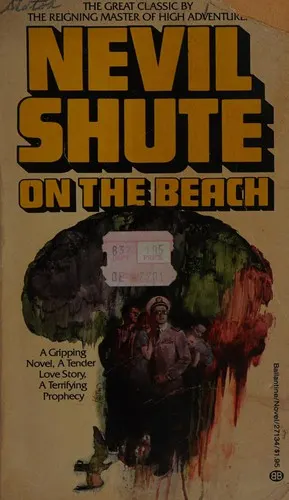
After nuclear war has destroyed the Northern Hemisphere, people in Australia continue working, drinking, racing cars, falling in love, and making plans while radioactive fallout approaches. Shute’s restraint is the weapon: catastrophe arrives not as spectacle but as appointments kept, gardens tended, and futures discussed by people who know there may be none.
Where Level 7 exposes annihilation from inside the machinery that causes it, On the Beach watches ordinary society absorb the result. Both novels ask what duty, denial, and decency mean when survival has ceased to be a realistic reward. A huge bestseller that helped shape the nuclear age’s moral imagination, it remains devastating precisely because Shute never needs to raise his voice.