Author
Books like Penelope Lively
3 books we recommend to Penelope Lively readers, drawn from Moon Tiger — each with the reason why.
If you loved Moon Tiger
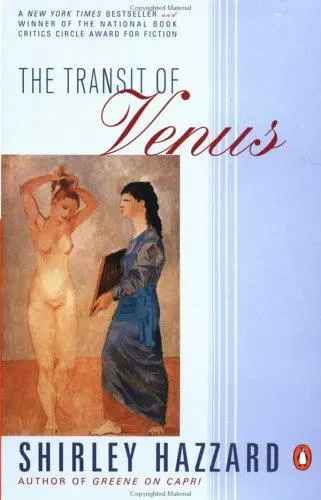
Hazzard offers the closest match to Moon Tiger’s fusion of intellectual poise and devastating romantic feeling. Following two orphaned Australian sisters into postwar England, the novel moves through decades with extraordinary compression: a sentence can quietly alter the meaning of an entire relationship, while images and phrases return charged by time.
Like Lively, Hazzard refuses to separate private love from the forces of history, class and chance. Her elegant, allusive prose demands attention but rewards it lavishly; the novel’s architecture becomes visible only gradually, producing one of fiction’s great experiences of rereading. Winner of the National Book Critics Circle Award and long regarded as Hazzard’s masterpiece, it is the rare love story whose intelligence intensifies rather than restrains its passion.
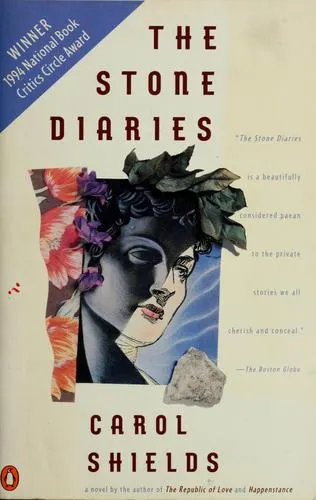
Claudia Hampton tries to dictate her own history; Daisy Goodwill, the ostensible autobiographer of The Stone Diaries, keeps disappearing from hers. Shields constructs Daisy’s life from recollection, hearsay, photographs, family voices and conspicuous gaps, revealing how little even a life story can securely possess its subject.
The tone is gentler and slyer than Moon Tiger’s, but the underlying questions are just as sharp: Who controls the narrative? What does a woman’s life look like from inside, and what survives when others begin explaining it? Shields makes ordinary existence formally daring without sacrificing warmth or comedy. The novel won the Pulitzer Prize and Canada’s Governor General’s Award, and its reputation endures because its experiment lands with such human force: Daisy’s absences become unforgettable.
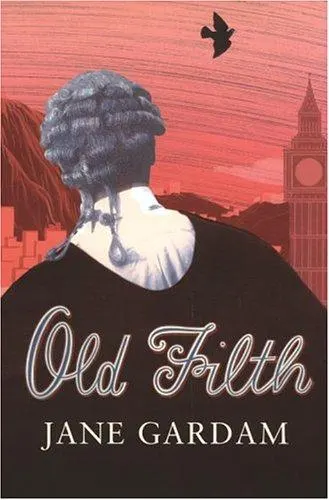
Sir Edward Feathers—known professionally as FILTH, for “Failed in London, Try Hong Kong”—appears at first to be a polished relic of the British Empire: successful, courteous and emotionally sealed. In retirement, however, his past begins arriving in vivid, disordered fragments, exposing the childhood losses and improvised loyalties beneath the finished public man.
Gardam shares Lively’s gift for letting decades coexist on the page. She also understands that history is not a backdrop but something lodged in temperament, silence and habit. Yet Old Filth has its own irresistible character: dryly funny, swift, compassionate and full of revelations that feel earned rather than engineered. It became the heart of Gardam’s celebrated trilogy, with later books revisiting the same lives from other angles—a natural extension of the perspectival pleasures that make Moon Tiger so rich.