Author
Books like Pearl poet
3 books we recommend to Pearl poet readers, drawn from Sir Gawain and the Green Knight — each with the reason why.
If you loved Sir Gawain and the Green Knight
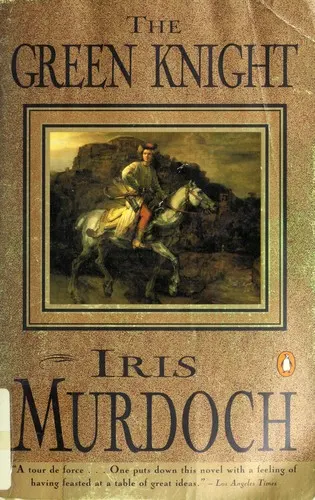
Murdoch’s novel is not a retelling but a brilliant modern argument with the poem. An interrupted act of violence leaves a circle of friends and relatives indebted to the mysterious Peter Mir, who begins assigning them roles in his own elaborate moral drama.
Murdoch—one of fiction’s great anatomists of self-deception—turns ordinary London lives into a chivalric trial shaped by bargains, divided loyalties, erotic temptation, and competing notions of justice. Like the Pearl Poet, she knows that people cling to ceremonial ideas of honor partly because their actual motives are frighteningly mixed. The result is funny, ominous, and deliberately resistant to any tidy moral verdict: an exceptionally intelligent afterlife for Gawain’s testing game.
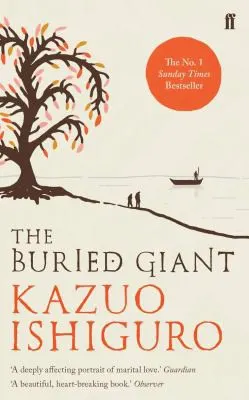
An elderly couple, Axl and Beatrice, cross a mist-covered Britain in search of their son, although neither can remember clearly why he left. From that modest beginning, Ishiguro builds a grave, dreamlike inquiry into promises: what fidelity requires, what peace costs, and whether mercy can depend upon forgetting.
The kinship with Gawain lies less in the Arthurian landscape than in the quiet pressure placed upon virtue. Ishiguro’s characters speak courteously while fear and old injury move beneath their words; apparently simple encounters acquire the weight of judgment. One of the Nobel laureate’s boldest novels, it has the same rare ability to make a legendary world feel both remote and painfully intimate.
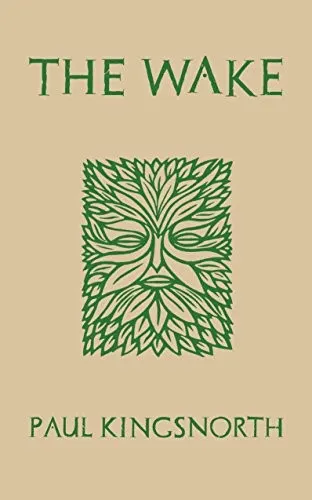
If you love the physical force of the Pearl Poet’s language—the hammering alliteration, earthy comedy, and sudden flashes of terror—The Wake offers the most bracing modern equivalent. As Norman invasion reaches England, a proud fenland landowner reads omens and imagines himself called to heroic resistance.
Kingsnorth wrote the novel in a specially fashioned ‘shadow tongue,’ built largely from Germanic-rooted English. It is strange for a few pages and then fiercely alive. More important, its narrator exposes the dangerous gap between the heroic identity a man claims and the conduct fear produces. Booker-longlisted and winner of the Gordon Burn Prize, this is no antiquarian exercise: it makes archaic speech an instrument for revealing vanity, violence, courage, and catastrophic self-deception.