Author
Books like Paulo Coelho
3 books we recommend to Paulo Coelho readers, drawn from The Alchemist — each with the reason why.
If you loved The Alchemist
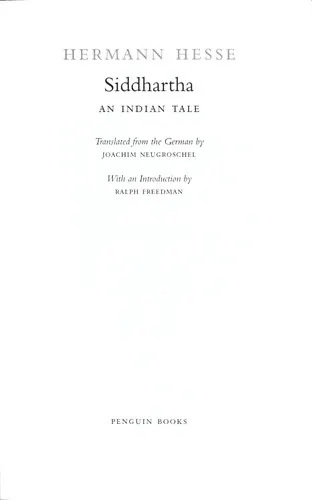
Like The Alchemist, Siddhartha trusts lived experience more than received wisdom. Its young seeker leaves a privileged home convinced that no teacher can simply hand him enlightenment; he must encounter desire, hardship, work, solitude, and the natural world for himself.
Hesse’s spare, luminous prose gives ordinary things—a river, a smile, a moment of silence—the force of revelation. This enduring classic has become a private guidebook for generations of spiritually curious readers. If Santiago’s courage to follow his own path moved you, Siddhartha offers a deeper, more searching version of that pilgrimage.
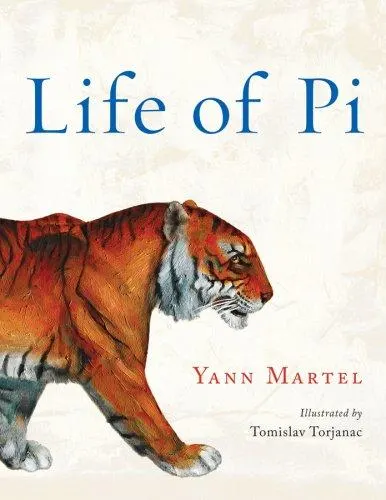
Pi Patel begins as a boy passionately curious about God, embracing several religions because one vocabulary for wonder is not enough. From there, Yann Martel constructs a sensuous, suspenseful adventure that continually asks what faith does for us—and why the stories we choose to believe matter.
Winner of the Booker Prize, Life of Pi combines the immediacy of a survival tale with philosophical playfulness. It has The Alchemist’s openness to miracles and signs, but it challenges the reader more provocatively: not merely to believe, but to examine the imaginative act behind belief. Its final resonance is why so many readers immediately want someone else to read it too.
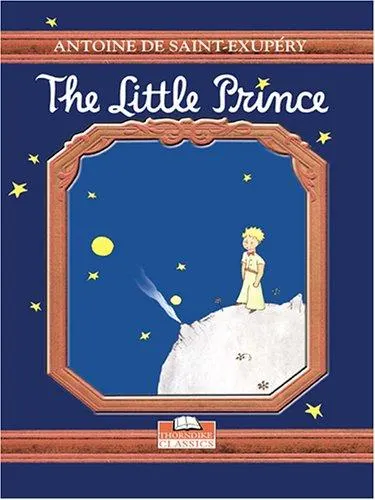
A stranded pilot meets a mysterious child from another planet, and their conversation unfolds into one of literature’s most beloved meditations on love, responsibility, loneliness, and the things adults fail to see. Its apparent simplicity is deceptive: nearly every encounter carries a truth that changes as the reader grows older.
Few books share The Alchemist’s gift for expressing spiritual ideas in language that feels elemental rather than abstract. Saint-Exupéry’s illustrated novella has inspired fierce devotion across languages and generations because it can be read in an afternoon yet remembered for a lifetime. To miss it is to miss one of the purest examples of the modern philosophical fable.