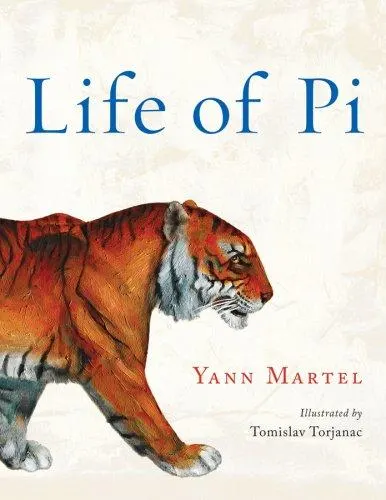
Books like Life of Pi
Life of Pi and Susanna Clarke’s Piranesi are rare novels that turn extreme solitude into an argument for wonder.
If you liked Life of Pi, you’ll love these
Not lookalikes — kindred books. Each one shares something essential with Life of Pi, and we tell you exactly what.
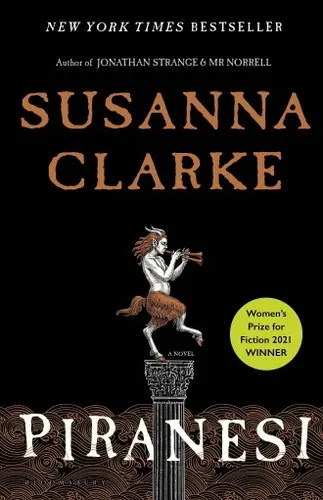
Piranesi lives in an apparently endless House of halls, statues and tides, recording its mysteries with reverent precision. Like Pi, he is an unforgettable narrator whose innocence is not simplicity: his way of seeing becomes both a means of survival and the novel’s deepest source of beauty.
Clarke’s Women’s Prize–winning novel also shares Martel’s gift for making metaphysical questions feel urgent rather than abstract. What should we believe? Does wonder reveal reality or disguise it? Brief, lucid and emotionally overwhelming, Piranesi is the kind of book readers finish quickly and then inhabit for years.
A novelist on a remote Canadian island finds a Japanese teenager’s diary among debris washed ashore. From that opening, Ozeki builds a Booker-shortlisted novel about whether telling a story can preserve a life—and whether reading attentively can become an act of rescue.
A lover of Life of Pi will recognize the exhilarating instability: the narrative keeps testing the border between coincidence and miracle, material fact and spiritual possibility. Yet its voices are wholly its own—funny, wounded, intellectually restless—and its engagement with Buddhism, time and authorship gives the book unusual emotional and philosophical reach. It does not merely ask which story is true; it makes you feel responsible for the story you choose to hear.
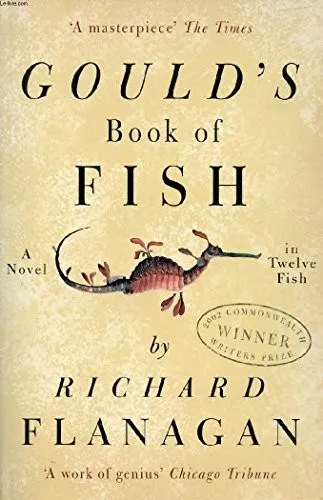
Written by an imprisoned nineteenth-century forger and illustrated around his paintings of fish, Flanagan’s novel is a riotous, grotesque confession in which invention becomes the only language adequate to cruelty. Its narrator lies, boasts, digresses and transforms suffering into extravagant fable—much as Pi’s storytelling refuses to let brute fact have the final word.
Winner of the Commonwealth Writers’ Prize, Gould’s Book of Fish is wilder and more abrasive than Martel’s novel, but it offers the same intoxicating bargain: surrender to an impossible tale and discover that it may carry a harder truth than sober realism. Few novels are so comic, furious and formally audacious—or make imagination feel so necessary.