Author
Books like Paul Beatty
3 books we recommend to Paul Beatty readers, drawn from The Sellout and The White Boy Shuffle — each with the reason why.
If you loved The Sellout
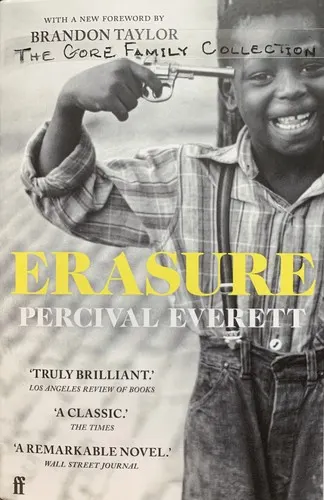
Thelonious “Monk” Ellison is an acclaimed Black novelist whose work is dismissed as insufficiently “Black”; exasperated by the publishing industry’s appetite for stereotype, he writes a grotesque parody of the book it wants. Then the parody is taken seriously.
Everett matches Beatty’s gift for making satire implicate everyone, including the satirist. Erasure is brutally funny about cultural gatekeeping, commercialized authenticity, and the humiliation of being asked to perform an identity for supposedly enlightened audiences. Yet Monk’s family life gives the novel an ache its provocations never cancel. Long a touchstone among Everett’s devoted readers—and the basis for the Oscar-winning film American Fiction—it is the clearest next stop for anyone who loved The Sellout’s fusion of fury, erudition, and comic self-sabotage.
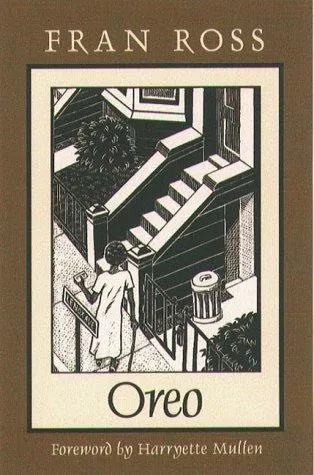
Fran Ross writes jokes the way a virtuoso plays variations: through Yiddish, Black vernacular, advertising slogans, mathematics, classical myth, menus, diagrams, and gloriously shameless puns. Her heroine, Oreo, leaves Philadelphia on a search for her absent father, but the real adventure is the language—restless, coded, and allergic to every tidy account of racial identity.
Published in 1974 and neglected before becoming a fiercely cherished cult classic, Oreo now feels astonishingly ahead of its time. Like Beatty, Ross refuses to translate her intelligence or soften a joke for the reader’s comfort. The result is not merely witty but liberating: a novel that treats language itself as a weapon against other people’s categories. Anyone intoxicated by the sheer sentence-by-sentence nerve of The Sellout should not miss it.
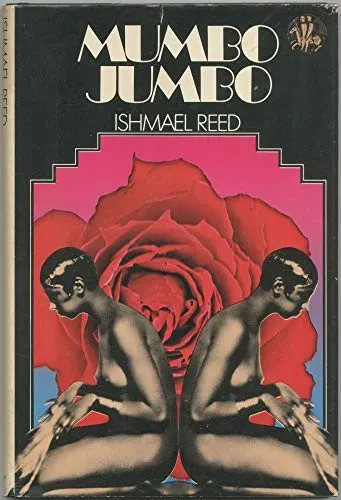
A mysterious cultural contagion called Jes Grew is spreading through 1920s America, making people dance, improvise, and abandon respectable behavior. Authorities mobilize to suppress it. From that opening premise, Ishmael Reed constructs a riotous counterhistory out of photographs, footnotes, conspiracies, occult lore, typographical play, and deadpan scholarly parody.
Mumbo Jumbo shares The Sellout’s conviction that official history is already absurd; the satirist merely exposes its machinery. Reed’s comedy is more mythic and hallucinatory than Beatty’s, but it has the same distrust of liberal pieties and the same delight in turning racist logic inside out. A National Book Award finalist and an enduring influence on experimental American fiction, it remains thrillingly unruly—a novel that does not ask permission to redefine what a novel, or American history, can contain.