Author
Books like Patrick Rothfuss
3 books we recommend to Patrick Rothfuss readers, drawn from The Name of the Wind — each with the reason why.
If you loved The Name of the Wind
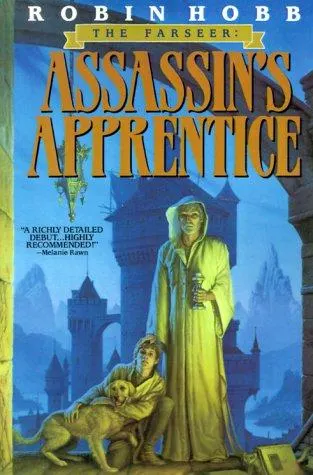
Fitz, like Kvothe, tells his own story from a place of hard-won hindsight. He is a gifted, lonely boy educated in dangerous arts, but Hobb cares less about displaying his talents than about showing what every lesson costs him. His hunger for affection, divided loyalties, and tendency to endure pain in silence make his voice extraordinarily intimate.
Hobb is revered for character work because she allows consequences to accumulate across years rather than vanish after each adventure. This opening volume of the beloved Realm of the Elderlings sequence is quieter than Rothfuss, but even more emotionally relentless. Read it and Fitz will cease to feel like a protagonist you observe; he will feel like someone whose mistakes you remember as your own.
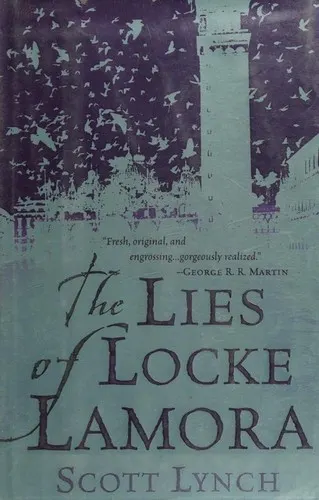
This delivers the exhilaration of watching exceptional talent become performance. Locke is an orphan turned confidence artist, trained to manipulate language, expectation, and social ritual with Kvothe-like audacity. His schemes have the same seductive rhythm as Kvothe’s best demonstrations: first the impossible claim, then the dazzling execution, then the reminder that cleverness cannot protect everything he loves.
What makes Lynch’s celebrated debut endure is not merely its ingenuity but the fierce friendship at its center. The banter is superb, the cons are beautifully constructed, and the prose can pivot from exuberant comedy to genuine hurt without warning. Few fantasy novels make intelligence this entertaining—or make the limits of intelligence land this hard.
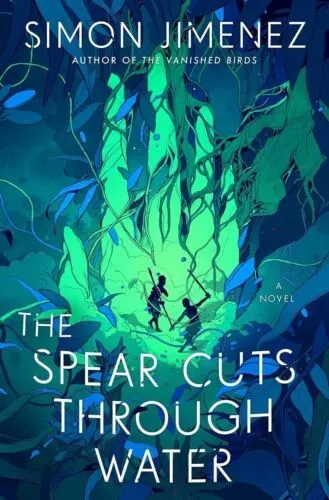
For readers most enchanted by Rothfuss’s sense that stories are living things—sung, revised, performed, and inherited—Jimenez offers something remarkable. A tale of two warriors escorting an elderly woman across a brutal country unfolds through myth, memory, dream, and theater; narrators and listeners move through one another until reading feels almost like witnessing an oral epic take shape.
The kinship lies in the language: sensuous, rhythmic, and alert to how beauty survives beside violence. Yet this is no imitation of Rothfuss. Jimenez’s Crawford Award-winning novel is formally audacious and emotionally direct, with tenderness steadily emerging from spectacle. It is the rare modern fantasy that does not merely recount a legend but makes you feel how legends enter people’s blood.