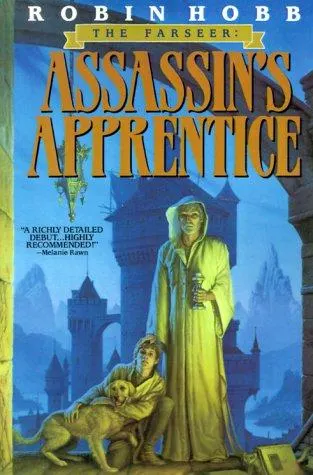
Books like Assassin's Apprentice
Fitz’s true apprenticeship is in discovering how much of himself duty will consume—and how fiercely a lonely person can love anyone who offers him a scrap of belonging. These novels share that emotional gravity, not merely the trappings of epic fantasy.
If you liked Assassin's Apprentice, you’ll love these
Not lookalikes — kindred books. Each one shares something essential with Assassin's Apprentice, and we tell you exactly what.
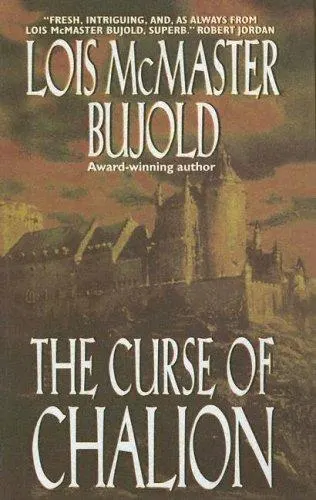
Cazaril enters this Hugo-nominated novel already battered by service. Seeking an inconspicuous place in a noble household, he instead becomes tutor to a strong-willed young woman caught in a dangerous court. Like Fitz, he is observant, self-effacing, painfully loyal, and far more important than he believes himself to be.
Bujold makes politics personal: every maneuver matters because you care about the vulnerable people inside it. Her theology is unusually convincing, too—divine favor does not erase suffering but complicates duty, agency, and sacrifice. The result is one of fantasy’s most beloved portraits of decency under pressure, with the emotional intelligence and hard-earned hope that make Hobb’s work so difficult to leave behind.
Valen begins as a wounded deserter whose immediate concerns are shelter, food, and the drug on which he depends. He is evasive, sardonic, ashamed, and constantly revising the story he tells about himself. Watching the deeper shape of his life emerge from that unreliable self-portrait offers the same intimate pleasure as gradually understanding Fitz beyond what Fitz can admit.
Berg is equally uncompromising about bodily vulnerability, coercive institutions, compromised choices, and the slow creation of trust. Yet Valen’s wit gives the darkness a different energy from Hobb’s melancholy. This is the first half of the Lighthouse Duet, winner of the Mythopoeic Fantasy Award, and its relative obscurity feels almost unjust: readers who prize wounded narrators and revelations earned through character should not miss it.
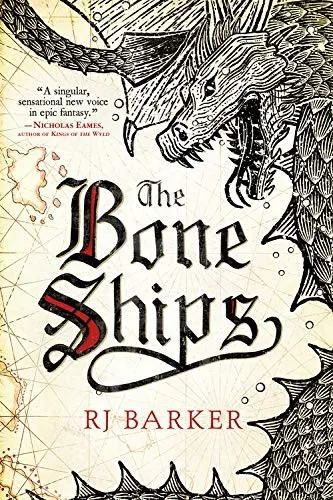
Joron Twiner is disgraced, defeated, and serving aboard a ship crewed by the condemned when the formidable Lucky Meas takes command. What follows is not compelling because it involves sea battles or strange creatures, but because Barker understands how identity can be rebuilt through discipline, loyalty, and being seen clearly by another person.
Joron’s growth is patient and gloriously earned. The crew begins as a collection of failures and outcasts, then acquires the emotional density of a household whose smallest loyalties matter. Barker also shares Hobb’s gift for making nonhuman life morally consequential rather than decorative. The acclaimed Tide Child trilogy has inspired fierce devotion because its cumulative emotional power keeps increasing; beginning it means meeting characters whose courage and losses will stay with you.